
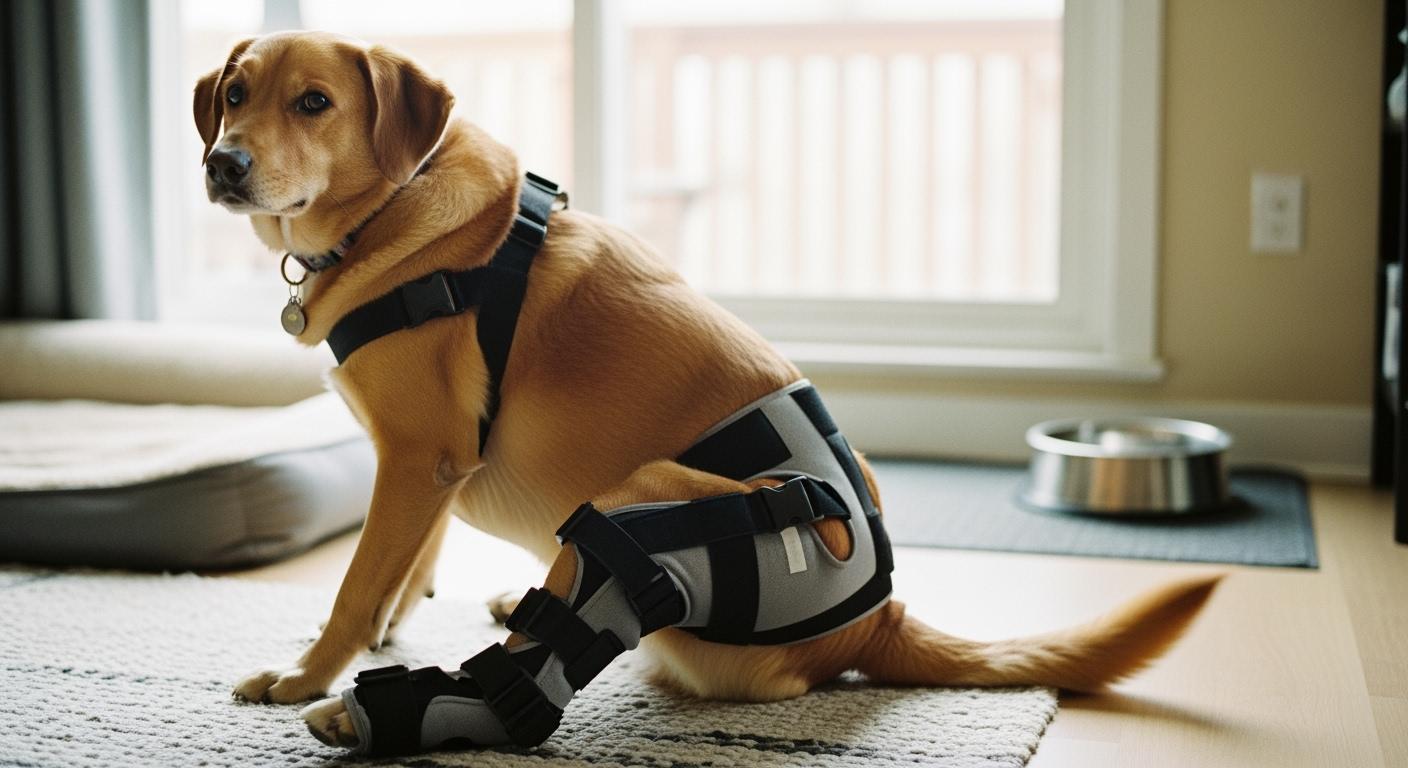
Dog back leg brace arthritis solutions give your dog more support. They help your dog’s back leg and make moving easier each day. You might see your dog limp on the back leg. Your dog may look stiff after resting. Sometimes, your dog moves slow or will not use stairs. Some dogs feel less sure when walking or have trouble getting up. Dog back leg brace arthritis products help your dog feel better. They lower pain and make daily tasks easier. You can explore supportive options as part of a veterinary-guided daily mobility plan.
Key Takeaways
Dog back leg braces help dogs with arthritis. They make it easier for dogs to walk and feel better.
Watch for signs like limping or stiff legs. These signs can show your dog may need a brace to move better.
Pick the right brace for your dog. For broader buying logic, fit priorities, and brace categories, review our Guides. Use a soft brace for small problems and a more supportive brace for bigger problems.
Take your dog to the vet often. The vet checks your dog’s health and makes sure the brace fits well.
Give your dog gentle exercise and healthy food. This, along with the brace, helps your dog feel good and move more easily.
Arthritis Signs in Dog Hind Legs
Stiffness and Limping
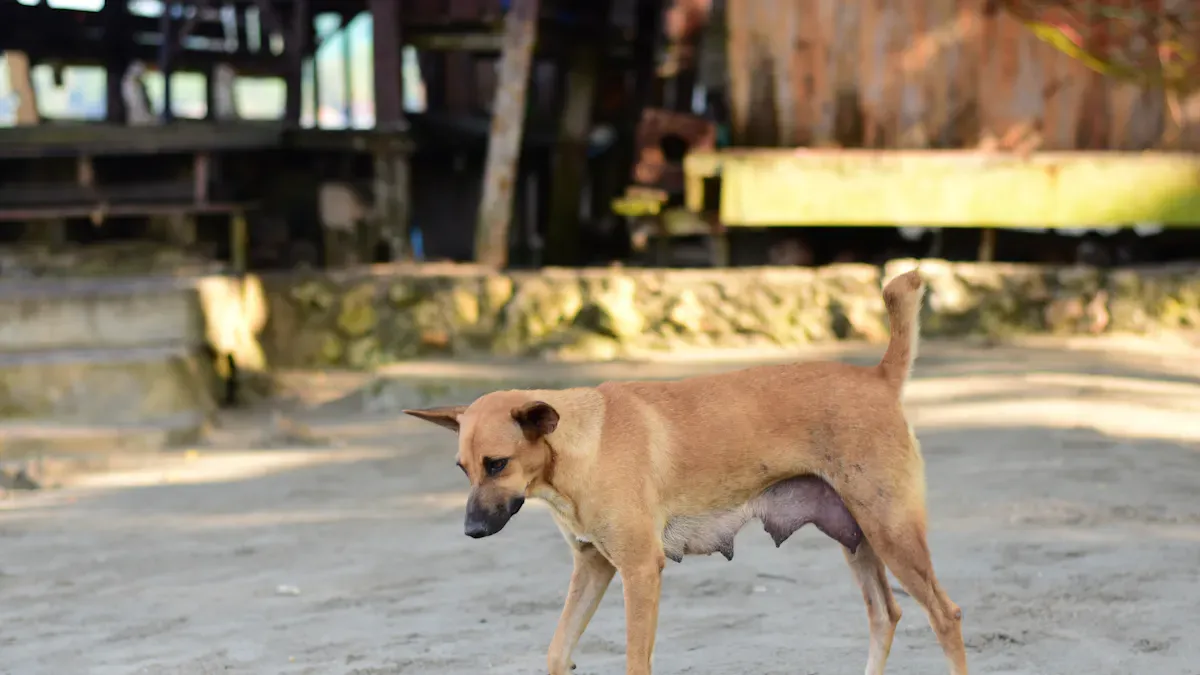
You may notice your dog moving stiffly after resting. Stiffness often appears in the morning or after your dog has been lying down. Limping is another common sign. Sometimes, your dog limps only after exercise or when first getting up. The limp may come and go. Dogs suffering from arthritis in the hind legs often show changes in their walk. You might see your dog shift weight to the front legs or walk with an altered gait. Chronic pain can make your dog less active and less interested in play.
Tip: Watch for shaking in the back legs or excessive licking. These signs can point to discomfort in the hind legs.
Symptom | Description |
|---|---|
Limping, which may come and go | Intermittent limping observed in the dog. |
Shaking of the back legs when standing | Trembling observed in the hind legs. |
Licking or salivary staining on back legs | Excessive licking leading to staining. |
Trouble Standing and Walking
Dogs with hind leg arthritis often struggle to stand up from a sitting or lying position. You may see your dog hesitate before rising or need extra time to get up. Walking can become difficult. Your dog may shuffle, move slowly, or even fall when trying to walk. As arthritis progresses, muscle loss in the back legs can make standing harder. Some dogs shift their weight forward to relieve pain in the hind legs.
Difficulty rising from sitting or laying
Difficulty walking or climbing stairs
Muscle atrophy of the hind limbs
Shuffling gait or falling when walking
Reduced Confidence and Activity
Arthritis in the hind legs can lower your dog’s confidence. Your dog may avoid stairs, jumping, or getting into the car. Activity levels often drop, especially in the morning. Pain makes your dog stop more often during walks. On tough days, your dog may not want to exercise at all. Maintaining muscle mass in the hind legs helps your dog stay mobile and improves quality of life.
Finding | Description |
|---|---|
Reduced Activity | Dogs with hindlimb impairment showed significantly lower activity levels. |
Impact of Pain | Hindlimb pain greatly affected physical activity and mobility. |
Importance of Muscle Mass | Maintaining muscle mass in hindlimbs is crucial for mobility and comfort. |
Why Dog Back Leg Brace Arthritis Support Matters
Stability and Mobility Benefits
You want your dog to walk without fear. Arthritis in the back leg can make your dog limp. Your dog might feel stiff or have trouble with stairs.Dog hip brace options give extra help to dogs that need more rear-end stability, especially when arthritis affects the hips and upper hind legs. These braces keep the leg steady and lower stress when walking. Your dog can spread weight better, which helps with pain. This also stops more pain from starting. Dog leg braces make it easier for your dog to walk, stand, and play.
Studies show that dog leg braces really help. Dogs with braces often put more weight on their legs. They also walk better and move more evenly. Many dogs get used to braces fast.
Dog leg braces are good for dogs who do not need surgery. You can use a dog back brace to help your dog stay active and feel good.
Comfort and Daily Routine Support
Dog leg braces do more than help your dog move. For arthritis, weak hips, and senior-dog use cases, see our dog hip brace for arthritis and senior dogs article. They also make daily life easier for your dog. When your dog wears a brace, you may see less limping. Your dog may want to play and walk more. Your dog can put more weight on the sore leg. This helps your dog feel braver and more comfortable. Braces help muscles around the joint work better.
Most dogs get used to a brace quickly. You may see your dog enjoy walks, play, and even stairs again. The table below shows what gets better:
Reported Improvements | Description |
|---|---|
Increased weight-bearing | Dogs put more weight on the affected leg |
Greater willingness to be active | Dogs show eagerness for physical activities |
Decreased limping | Limping reduces when the brace is worn |
Better overall mobility | Dogs move more comfortably |
Engagement in muscle activity | Braces help muscles work around the joint |
Improved confidence | Dogs feel more stable and sure |
Quick adaptation | Most dogs adjust within days |
Dog leg braces give real help for your dog’s comfort and daily life. With the right brace, your dog can feel better and move more easily.
When to Use Dog Leg Braces for Arthritis
Senior Dogs and Chronic Stiffness
Older dogs may move slower than before. Their back legs can get stiff after resting or when it is cold. Many older dogs have hip dysplasia, arthritis, or weak back legs. These problems make walking and daily things harder. A brace helps your dog stand, walk, and climb stairs with less pain. It gives extra support and keeps your dog steady. This helps your dog move better.
Hip dysplasia hurts the hip joint and causes arthritis.
Arthritis makes joints hurt and feel stiff.
Weak back legs make standing or using stairs hard.
Vets say braces are good for older dogs after a checkup. They pick the right brace for your dog’s needs. This stops more problems from using the wrong brace.
Vets check for arthritis and how well your dog moves.
They choose the best brace for your dog.
They help stop more injury by giving advice.
Reduced Walking Confidence
Your dog might not want to walk or move much. You may see limping or your dog may not want to use stairs. These signs show your dog’s back leg feels sore or weak. A good brace keeps the joint steady and lowers pain. You will see your dog walk smoother and feel braver. Your dog will feel better doing daily things.
Hesitation, limping, or not moving means less confidence.
A brace helps your dog heal and walk steadier.
Smoother walking and wanting to move are good signs.
Tip: Watch if your dog does more. If your dog seems braver, the brace is helping.
Daily Support for Hind Leg Weakness
Dogs with arthritis need help every day for weak back legs. You may see your dog have pain and trouble moving. A dog back leg brace arthritis solution helps your dog hurt less and stand straighter. Braces help the joint heal and slow down damage. Many owners say their dogs feel better, move more, and do more things.
If your dog needs help on stairs, during short walks, or for bathroom support, compare our dog lift harness options.
Benefit | Description |
|---|---|
Pain Reduction | Dogs feel less pain and move easier with a brace. |
Enhanced Stability | Braces help dogs stand straight and support weak joints. |
Healing Promotion | Braces help injuries heal faster and lower swelling. |
Braces are important for your dog’s joints as they get older. Using a brace early stops arthritis from getting worse. It also helps your dog move and feel better each day.
Types of Dog Braces for Arthritis
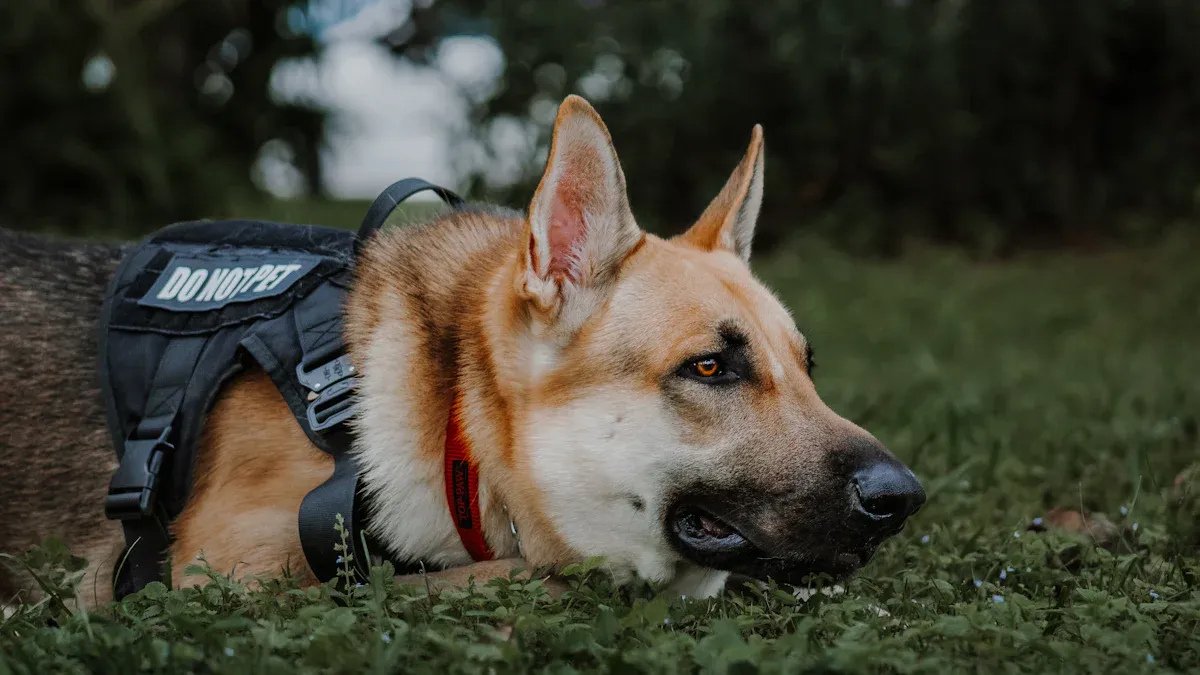
There are many dog braces for arthritis. Each kind has special features and helps in different ways. Knowing about them helps you choose the best one for your dog.
Soft vs. Rigid Dog Leg Braces
You can pick soft or rigid dog leg brace types. Soft leg braces are made from fabric that bends and lets air in. These orthotic devices feel light and are comfy for daily use. They are good for dogs with mild arthritis or weak joints. Soft dog braces let your dog move in a normal way and fit into daily life.
Rigid dog leg brace types use hard plastic or strong materials. These orthotic devices give firm support and keep the leg still. Rigid dog braces help dogs with bad arthritis or very weak joints. They protect the joint and lower stress when your dog walks.
Tip: Try a soft leg brace if your dog has mild problems. Use a rigid leg brace if your dog needs more help.
Type of Leg Brace | Features | Benefits |
|---|---|---|
Soft Leg Brace | Fabric, flexible, breathable | Comfort, easy to wear, gentle support |
Rigid Leg Brace | Plastic, sturdy, waterproof | Strong stability, best for severe cases |
Both dog braces help your dog stand better and hurt less. They only work when your dog wears them, so watch your dog for best results.
Custom and Off-the-Shelf Options
You can get custom or off-the-shelf dog leg brace choices. Custom orthotic devices fit your dog’s leg just right. These dog braces give the most comfort and support, great for bad arthritis. Off-the-shelf dog braces come in set sizes. These orthotic devices are easy to buy and cost less money. They work well for dogs with mild or medium arthritis.
Custom dog leg brace: Made to fit, best for tough cases, gives strong support.
Off-the-shelf dog leg brace: Ready to use, costs less, good for mild problems.
Type of Brace | Fit Description | Effectiveness for Arthritis |
|---|---|---|
Custom-Made Braces | Made to fit your dog, gives top support and comfort for tough cases. | Best for handling arthritis pain. |
Off-the-Shelf Options | Cheaper and comes in many sizes, works for mild or medium cases. | May not give as much support. |
Orthotic devices like stifle, hock, and hip braces help different joints. Pick the right dog braces for your dog’s needs and how active they are. Always check if the brace fits well and feels good so your dog can move better every day.
Choosing the Right Dog Back Leg Brace
Fit and Adjustability
You want your dog to feel safe and comfy in an orthotic. It is important to measure your dog’s leg carefully. Measure at the right spots on the leg. Make sure the brace lines up with the right places. Check often to see if your dog feels pain or if the brace fits wrong. A good fit gives steady support and stops rubbing or slipping.
Factor | Description |
|---|---|
Size and Fit | Getting the size right is very important. If the brace is too tight, it can stop blood flow. If it is too loose, it will not help your dog. |
Material and Comfort | Strong, airy materials are best for comfort, especially if your dog wears the brace a lot. Soft padding and straps you can adjust make it fit better. |
Ease of Use | The brace should be easy to put on and take off. Velcro or buckles help you change the fit quickly. |
Measure your dog’s leg well for a good fit. Put the orthotic in the right spot. Pick braces with many places to adjust. These things help you change the fit fast for your dog’s comfort.
Comfort and Materials
Comfort is important every day. Your dog needs an orthotic made from soft, airy materials. Neoprene fabric is good because it keeps your dog dry and stops rubbing. Padding should be in the right spots so there are no sore spots. Strong materials make the brace last longer.
Material/Feature | Description |
|---|---|
Neoprene Fabric | Soft, thick neoprene makes the brace comfy and strong. |
Quick-Release Velcro | Makes it easy to put on and take off. |
Reflective Strips | Helps others see your dog better. |
Spacer Mesh Material | Lets your dog move freely but still gives support. |
Chest Vest Design | Gives full support and has straps you can adjust for comfort. |
Neoprene lets air in and keeps your dog dry. Padding stops rubbing and pinching. The brace spreads weight so your dog does not hurt. Pick an orthotic with these things for the best comfort.
Support Level and Fastening
The right support helps your dog walk better. Orthotic devices take pressure off sore spots and spread weight away from painful joints. Custom fitting matches your dog’s leg and how they walk. Fasteners like Velcro or buckles make the brace easy to put on and adjust.
Study Focus | Sample | Key Findings | Conclusion |
|---|---|---|---|
Looking at how a special stifle brace changes how dogs walk. | Five grown Border Collies with healthy legs. | The brace changed how much weight dogs put on their back legs, but did not change how they walked. | Custom orthotics help knees without making steps shorter or uneven. |
Pick braces with strong fasteners. Look for straps you can adjust and easy closures. These things help keep the brace in place and let you change the fit when needed.
Ease of Daily Use
You want a brace that fits your dog’s daily life. A good fit stops the brace from sliding or rubbing. The right support keeps your dog steady but lets them move. Materials like neoprene and mesh make the brace comfy. Wraps you can trim and Velcro straps help you make the brace fit just right.
Feature | Contribution to Ease of Use |
|---|---|
Proper Fit | Makes sure the brace hugs your dog’s leg and does not move around. |
Right Amount of Support | Keeps the leg steady but lets muscles work. |
Materials Used | Neoprene and soft materials make the brace comfy, with extra support if needed. |
Adjustability | Trim-to-fit wraps and Velcro straps help you get the best fit. |
Comfort Enhancements | Foam or fleece padding stops rubbing and keeps skin safe. |
Correct Sizing | The right size keeps the brace in place and helps the joint. |
Pick an orthotic that is easy to put on and take off. Look for features that make daily use simple and comfy for your dog.
Consulting Your Veterinarian
Talk to your vet before picking a brace. Your vet can find out what is wrong and how bad it is. They check for other problems too. Your vet will tell you which orthotic is best. This keeps your dog safe and gives the right support.
Tip: Always ask your vet before using a new orthotic. Your vet helps you pick the best one for your dog’s health and movement.
With the right orthotic, your dog can move easier and feel better. Focus on fit, comfort, support, and how easy it is to use. Ask your vet for help. Your dog should have the best support every day.
Safe Use and Expectations
How to Put On and Adjust Dog Braces
You want your dog to feel comfortable and safe when wearing a brace. Follow these steps to help your dog adjust to a new brace:
Place your dog in a quiet area.
Let your dog sniff and explore the brace.
Slide the brace onto the leg, checking the fit at each step.
Secure the straps so they are snug but not tight.
Take your dog for a short, easy walk to help them get used to the brace.
Start with half an hour of wear on the first day.
Increase the time by half an hour each day for about a week.
Check the fit often, especially in the first few days. Make adjustments if you see any discomfort.
Tips for Comfort and Safety
You can help your dog decrease pain and stay safe with these tips:
Consult your veterinarian about how long your dog should wear the brace.
Make sure the brace fits snugly and supports the affected area without restricting movement.
Use padding or lubricating powders to prevent rubbing and skin irritation.
Watch your dog’s reactions and adjust brace use if needed.
Choose braces made from high-quality, durable materials.
Seek expert help for proper fitting and instructions.
Tip: If you notice skin irritation, remove the brace and let your dog rest for a day.
Integrating Braces into Daily Life
You can help your dog enjoy daily routines with a brace. Include gentle walks or swimming to build muscle strength without stressing the leg. Monitor your dog’s reaction to the brace and adjust usage as needed. Expect improvements like better stability, a more natural gait, and increased confidence in movement.
Routine Activity | Benefit for Your Dog |
|---|---|
Gentle walks | Maintains muscle strength |
Swimming | Supports joint health |
Exploring outdoors | Boosts confidence and mobility |
Monitoring Progress and When to Seek Help
Watch for signs that show the brace is working:
Improved weight-bearing on the affected leg
Increased willingness to be active
Decreased limping
Better mobility when the brace is on
Most dogs show improvement within a few days. If you see swelling, redness, or your dog avoids using the leg, contact your veterinarian. Regular check-ins help you keep your dog comfortable and safe.
Note: Monitoring progress helps you support your dog’s mobility and decrease pain every day.
Additional Arthritis Support for Dogs
Exercise and Physical Therapy
You can help your dog with arthritis by adding gentle exercise. Short, slow leash walks keep your dog’s muscles strong. These walks also help joints move better. Sit-to-stand exercises make the back legs stronger. Balance exercises help your dog feel steadier and more confident. Hydrotherapy, like swimming or walking in water, is good for sore joints. It lets your dog move without hurting as much. Doing these activities often helps your dog stay active and comfortable. Controlled exercise is one of the best ways to help arthritis and keep your dog moving.
Controlled, regular exercise is a main way to treat canine osteoarthritis. Weight control, physical therapy, and pain relief are also important.
Exercise Type | Benefit |
|---|---|
Slow leash walking | Keeps muscles strong |
Sit-to-stand | Makes back legs stronger |
Balance work | Helps your dog stay steady |
Hydrotherapy | Takes stress off the joints |
Diet and Supplements
You can help your dog feel better by picking the right food and supplements. For ramps, traction, flooring, and safer room-to-room movement, see our dog arthritis mobility at home guide. Glucosamine and chondroitin keep joints healthy and support cartilage. Omega-3 fatty acids from fish oil lower swelling and joint pain. Foods with EPA and DHA help your dog move better. Devil’s claw and Boswellia serrata are natural ways to fight swelling. Joint supplements try to lower swelling and help fix cartilage. Always ask your vet how much to give and what foods to use.
Tip: Keep your dog at a healthy weight. Less weight means less stress on joints and helps the brace work better.
Regular Veterinary Check-Ins
You should take your dog to the vet often. These visits let your vet see how your dog is doing and change the care plan if needed. Your vet can suggest new exercises, change supplements, and check the brace fit. Finding problems early helps you give the best care. Your vet is there to help your dog stay happy and active.
Note: Home changes, like non-slip floors and ramps, make life easier for your dog. Soft beds and warmth also help your dog rest well.
Dog back leg brace arthritis solutions give your pet steady support. They help your dog move better every day. Your dog feels braver and enjoys life with less pain. Picking the right brace and using it safely matters a lot. Braces work best when you add exercise and healthy food. Your dog’s life gets better in many ways. Many dogs feel less pain, move easier, and play more. You help your dog feel happier and improve their life each day.
Outcome | Description |
|---|---|
Pain Reduction | Dogs feel less pain and enjoy daily routines. |
Enhanced Mobility | Dogs walk easier and feel more confident. |
Increased Activity | Dogs play and exercise more, which helps their health. |
You help your dog by being active and caring every day.
FAQ
How does a dog back leg brace arthritis solution help my dog?
A dog back leg brace arthritis solution gives your dog extra support. It helps stabilize the hind leg, reduces strain, and improves daily mobility. Your dog can walk, stand, and play with more confidence.
When should I use a dog back leg brace arthritis product?
You should use a brace when your dog shows signs of arthritis in the back leg. Look for limping, stiffness after rest, trouble standing, or reluctance to climb stairs. Senior dogs often benefit from daily support.
Can my dog wear a brace all day?
Most dogs can wear a brace during active hours. Remove the brace at night or when your dog rests. Always check for skin irritation. Ask your veterinarian about the best schedule for your dog.
How do I choose the right size for a dog back leg brace arthritis support?
Measure your dog’s hind leg carefully. Follow the sizing guide from the brace manufacturer. Look for adjustable straps and soft padding. A proper fit ensures comfort and steady support.
Will a dog back leg brace arthritis device cure my dog’s arthritis?
A brace will not cure arthritis. It supports your dog’s hind leg and helps manage daily mobility. Combine brace use with exercise, diet, and regular veterinary check-ins for the best results.
🐾 Your dog deserves steady support and comfort. Dog back leg brace arthritis solutions help your pet move with confidence every day.
