
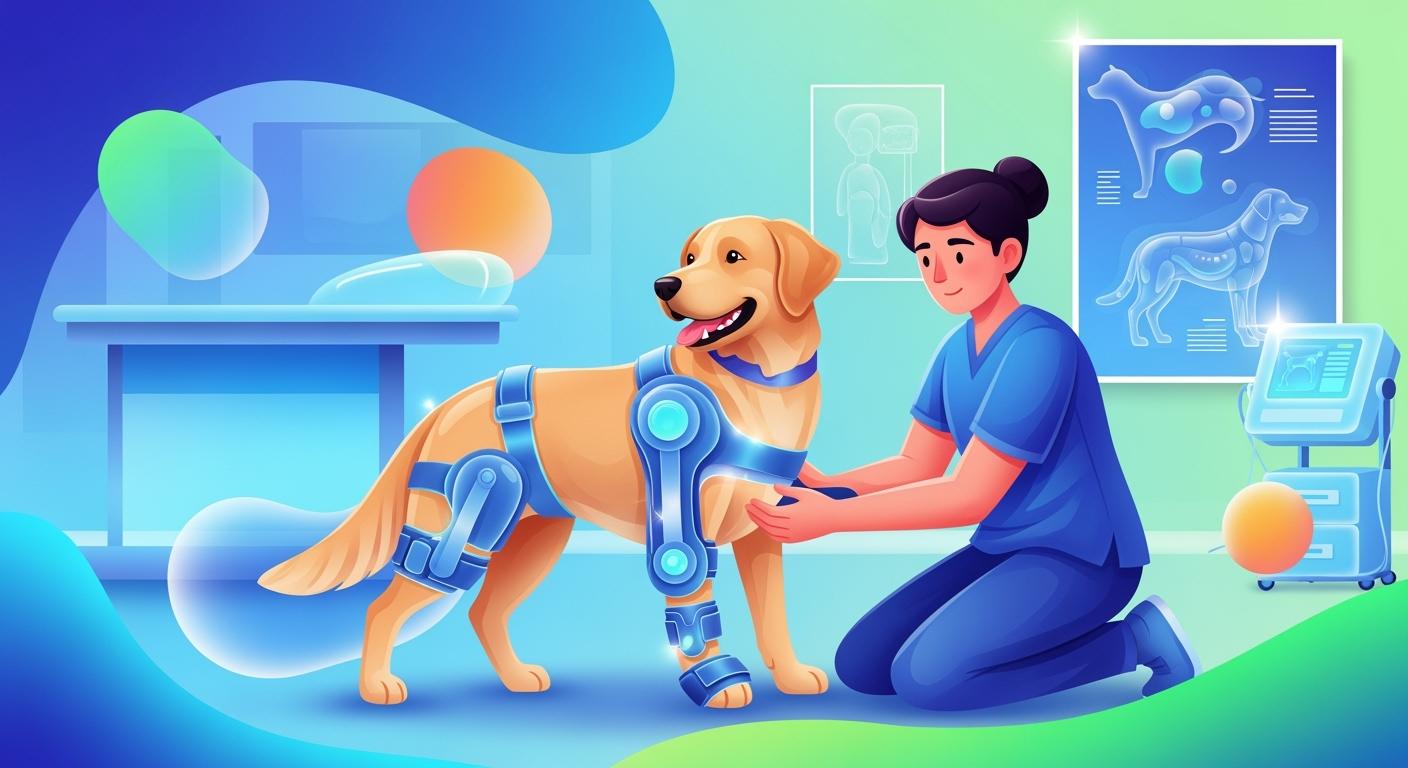
You may wonder how veterinary rehabilitation in 2025, along with modern braces and mobility aids for dogs, can help your dog live more comfortably. Recent studies show that medical-grade braces and mobility devices can ease pain, support weak joints, and help dogs move more freely. Custom-fit stifle orthoses, for example, allow many dogs to walk with less discomfort. When these tools are used under your veterinarian’s guidance, families often see their dogs regain confidence and independence.
Category | Market Share (%) | Market Size (USD) |
|---|---|---|
Companion Animals | 47.60 | N/A |
Therapeutic Exercises | 41.30 | N/A |
Post-Surgery | 44.90 | N/A |
Overall Market Size | N/A | 1.1 billion |
CAGR | N/A | 11.5% |
You should always consult your veterinarian or rehab specialist before selecting any brace or mobility aid for your dog. This article provides general information only and does not replace professional veterinary advice.
Key Takeaways
Veterinary rehabilitation in 2025 helps dogs feel less pain. It helps them move better. It also makes their lives better.
You should talk to your veterinarian before using braces. This helps you pick the best support for your dog.
Regular check-ups are important for your dog. You should talk often with your veterinary team. This helps you see how your dog is doing and change their plan if needed.
Mobility aids like harnesses and wheelchairs help dogs heal from injuries. They help dogs stay active. These aids are good for older dogs or dogs with joint problems.
Make your home comfortable for your dog. Use orthopedic beds and non-slip floors. This helps your dog get better and feel good.
Veterinary Rehabilitation in 2025 Overview
Rehab Goals for Dogs (pain relief, mobility, quality of life)
You want your dog to feel good and move well. In 2025, veterinary rehabilitation has three main goals. These are pain relief, better movement, and a happier life. Each step follows these goals. Your veterinarian may set goals for walking or playing. They may also help your dog climb stairs. The right plan lets your dog do daily things. It helps your dog stay active and enjoy life.
Category | Modalities | Purpose & Benefits |
|---|---|---|
Manual & Physical | Therapeutic exercise, passive range of motion, stretching, massage, joint mobilization | Builds strength and flexibility; helps blood flow; lowers stiffness |
Thermal & Mechanical | Cryotherapy, thermotherapy, ultrasound, hydrotherapy | Lessens pain and swelling; helps healing and movement |
Electrical & Light | TENS, NMES, therapeutic laser, shockwave therapy | Eases pain, helps muscles work, helps tissue heal |
Tip: Always talk to your veterinarian before starting new therapy or using braces for dogs. Every dog is different.
Key Program Elements (assessment, exercises, manual therapy, equipment)
First, your veterinarian checks your dog’s joints and movement. In 2025, the guidelines say to use exercises, manual therapy, and special equipment. Braces and mobility aids for dogs can help. Therapeutic exercise makes your dog stronger. Manual therapy, like joint mobilization, helps with stiffness. Support harnesses and wheelchairs help dogs who cannot move well. Balance and body control training helps dogs walk better. Each dog gets a plan that fits them. Your dog’s plan may have home exercises and regular check-ins.
Checking joints and pain
Exercise plans for strength and flexibility
Manual therapy for healthy joints
Using braces, harnesses, and wheelchairs
Home exercise plans from 2025 guidelines
Teamwork with Professionals (veterinarian, rehab therapist, support staff)
You work with a team to help your dog. Your veterinarian leads and works with rehab therapists and support staff. Getting help early helps your dog heal faster. The 2025 guidelines say talking often is important. Your team changes the plan as your dog gets better. Home exercises help your dog keep improving. After therapy, your veterinarian gives you tips and shares results. Working together helps your dog feel better, heal faster, and manage joint problems.
Your veterinarian helps from the start
Rehab therapists make and change plans
Support staff help with gear and exercises
Updates and talking often
Home care tips for steady progress
Note: Braces and mobility aids for dogs should always be used as part of a veterinary rehabilitation plan, with professional help. This article gives general information and is not a substitute for personal medical advice.
Conditions That Benefit from Rehab and Mobility Aids
Injuries and Post-Surgery Recovery (CCL/ACL, fractures, soft tissue injuries)
Sometimes, dogs limp or have trouble moving after getting hurt or having surgery. In 2025, new rehab methods help dogs heal from injuries like torn CCL or ACL, broken bones, and soft tissue damage. Braces for dogs and mobility aids for dogs keep the joint steady and lower dog knee pain. Hydrotherapy helps dogs heal faster, sometimes by 40%. Dogs with torn ACLs who do a 12-week rehab plan have a 60% chance to get better without surgery. Surgery plus rehab works even better. Support harnesses and wheelchairs let dogs move safely while they heal.
Hydrotherapy takes pressure off sore joints.
Braces for dogs help healing and stop more injuries.
Mobility aids for dogs help dogs feel braver when moving.
Arthritis, Aging, and Chronic Joint Pain
Canine arthritis affects about 15 million dogs in the U.S., mostly those older than seven. You might see your dog avoid stairs or jumping. Joint pain and stiffness make it hard to move. Braces for dogs help joints feel steadier and less painful. Many owners say their dogs act more confident and less scared when using these aids. In 2025, veterinary rehab focuses on making older dogs more comfortable and able to move. Mobility aids for dogs, like support harnesses and wheelchairs, help dogs stay active and enjoy time with family.
Tip: Always use braces and mobility aids with your veterinarian’s help. This article is for general information, not personal medical advice.
Neurological and Spinal Issues (IVDD, nerve damage, weakness)
Dogs with disabilities can have problems with their nerves or spine. IVDD, degenerative myelopathy, and cerebellar hypoplasia make balance and movement hard. In 2025, veterinary rehab uses special tools to help these dogs. You can use harnesses, slings, braces, and carts to help your dog move safely. The table below lists some common nerve problems that need mobility aids:
Condition | Description |
|---|---|
Intervertebral Disc Disease (IVDD) | Main cause of paralysis; wheelchairs are often needed for recovery or all the time. |
Degenerative Myelopathy | Gets worse over time; mobility devices help dogs move and stay steady. |
Cerebellar Hypoplasia | Hurts balance and walking; full support wheelchairs are often needed. |
Wobblers Syndrome | Makes dogs unsteady; mobility aids help dogs keep balance and move. |
Obesity-Related Mobility Challenges and Deconditioning
Obesity causes joint pain and makes it hard for dogs to move. In 2018, more than half of dogs in the U.S. were overweight or obese. Overweight dogs are more likely to get arthritis and joint problems. Osteoarthritis happens in 83% of obese dogs but only 50% of dogs at a healthy weight. Mobility aids for dogs, like braces and support harnesses, help ease joint pain and make moving easier. In 2025, veterinary rehab suggests using these tools to help dogs lose weight and get stronger. Canine rehab plans use gentle exercise and regular visits to the veterinarian.
Obesity makes joint pain and arthritis more likely.
Braces for dogs and mobility aids for dogs help dogs move safely.
Always ask your veterinarian before trying any new device.
How Braces Support Veterinary Rehabilitation for Dogs

Joint Support Braces (knee/CCL, hock, carpal/wrist, elbow)
If your dog limps after getting hurt, braces can help. Joint support braces keep the injured area steady. They let your dog walk with less pain. You can get braces for the knee, hock, wrist, and elbow. A dog knee brace helps the stifle joint, which gets hurt a lot. Using a dog leg brace stops painful moves and protects healing spots. These braces limit odd movement and give steady support every day.
Many companies make special orthotic devices for different joints. GaitGuard sells anti-licking dog braces and lift-aid straps. These use strong materials and can be adjusted to fit well. Ortho Dog and Eddie’s Wheels make custom braces for dogs with special needs. Always ask your veterinarian before picking a brace for your dog.
Hip and Back Braces for Spinal or Hip Problems
Hip and back braces are important in veterinary rehabilitation in 2025. Dogs with hip dysplasia or spine injuries need these braces. After surgery, dogs also use these orthotic devices. You might see your dog have trouble walking or keeping balance. Hip braces squeeze the area and help support the body. This lowers pain and helps your dog move again. After surgery, these braces keep the limb still and help healing.
You can use hip and back braces for many reasons:
Help dogs with hip dysplasia move better
Aid recovery after surgery
Support other legs after an amputation
Treat pressure sores from not moving much
Picking the right brace helps your dog heal and stay active. Always talk to your veterinarian about which brace is best.
How Braces Help Alignment, Stability, and Pain Reduction
Mobility braces help your dog stand straighter and feel steadier. Dog braces keep the joint stable and stop tiny painful moves. This lets your dog put weight down with more confidence. By stopping odd movement, these braces lower swelling and pain. Your dog can heal faster and walk more easily.
Mobility braces help in these ways:
Keep joints steady and lower pain when walking
Stop odd moves and reduce swelling
Improve proprioception so your dog uses the leg better
Break the pain-limp cycle and help even weight
Always check your dog’s comfort and make sure the brace fits well. A good brace helps healing and makes life better for your dog.
Using Braces for Prevention vs. Post-Injury or Post-Surgery Support
You can use braces to stop injuries or help after one. Some dogs have small CCL tears or weak joints. Braces for dogs give support and help stop worse injuries. If your dog cannot have surgery, braces are a safe choice. You can use braces before or after surgery for extra help.
Studies show all dogs with stifle braces could stand better before surgery. After 90 days with braces, dogs put more weight on the leg and kept improving. Ask your veterinarian when to use dog braces for your pet.
Leading Brands and Unique Features
Brand | Unique Features |
|---|---|
GaitGuard | Anti-licking dog braces, lift-aid straps, medical-grade materials, adjustability |
Ortho Dog | Custom-fit orthotic devices for various joint issues |
Eddie’s Wheels | Custom mobility braces and carts for complex needs |
GaitGuard’s anti-licking braces stop your dog from biting or licking wounds. Lift-aid straps help you support your dog on walks. Ortho Dog and Eddie’s Wheels make custom braces for dogs with special needs.
Importance of Medical-Grade Materials and Adjustability
Feature | Medical-Grade Neoprene | SBR (Standard) |
|---|---|---|
Breathability | Lets air flow, keeps your dog cool | Holds in heat and sweat |
Hypoallergenic | Safe for skin, lowers irritation | Can cause allergies |
Durability | Stretches well and lasts long | Good for short use |
Fit and Comfort | Fits close and stops rubbing | Not as snug |
Braces that can be adjusted work best. A good fit gives your dog the right support and keeps them comfy. Medical-grade neoprene lets air in, lasts long, and feels good. Always work with your veterinarian to pick and fit the best brace.
Note: Always use any brace or mobility aid for dogs under the guidance of a veterinary professional. This article shares general tips and does not replace advice from your veterinarian.
Mobility Aids and Carts Used in Dog Rehab

Support and Lifting Harnesses, Slings, and Rear-Support Harnesses
Support harnesses and slings help your dog move safely. These mobility devices for dogs let you guide your dog when standing or walking. They also help with climbing stairs. Rear-support harnesses work for dogs with weak back legs. They also help dogs healing from joint injuries. Experts say you should know when your dog needs help. This could be during bathroom breaks or getting into a car. Pick a harness that fits your dog well. Make sure it can adjust as your dog’s movement changes. Comfort is important for your dog. Always talk to your veterinarian before using any mobility aids.
Dog Carts and Wheelchairs for Front, Rear, or Full Support
Dog carts and wheelchairs for dogs are important in veterinary rehabilitation in 2025. You can choose rear-support carts for dogs with weak back legs. Front-support carts help dogs with front leg problems. Full-support wheelchairs help dogs with weakness in all legs. These mobility devices for dogs help your pet walk and play again. Rear-support carts keep the back straight and protect joints. Full-support wheelchairs can be made for small dogs or those with quad weakness. Veterinary professionals help you measure and fit these devices. This makes sure your dog is safe and comfortable.
Type of Wheelchair | Best For | Key Benefit |
|---|---|---|
Rear Support | Back leg weakness | Enables walking and running |
Front Support | Front limb weakness | Assists with front leg movement |
Full Support | Both front and rear limb issues | Comprehensive mobility support |
Ramps, Steps, Traction Mats, and Non-Slip Flooring for Home and Clinic
Ramps and stairs help protect your dog’s joints. They lower stress from jumping. You can use ramps to help your dog get on furniture or into cars. Non-slip mats and traction flooring stop slips and lower joint pain. These mobility aids help your dog feel braver when walking or standing. For example, a ramp helps a Dachshund with back problems get into a car. Put non-slip mats near water bowls so your dog does not slide. Veterinary professionals suggest these accessories for home and clinic use.
Orthopedic Beds and Rest Areas for Recovery and Comfort
Orthopedic beds support your dog’s joints. They make it easier for your dog to get in and out of bed. These beds lower pain and help your dog move more. Memory foam cushions sore spots and helps your dog sleep in a good position. A soft bed helps your dog rest better. Good sleep is important for healing and health. Dogs who sleep well feel happier and move better. Ask your veterinarian about the best bed for your dog.
Tip: Always introduce new braces or mobility aids for dogs with help from your veterinary team. This article gives general information and is not personal medical advice.</p></blockquote>
Building a Rehabilitation Plan with Your Veterinary Team
Initial Assessment and Diagnosis
Your dog’s rehab plan starts with a careful checkup. The veterinarian looks at your dog’s health history. They also review X-rays or other images. You answer questions about your dog’s daily life and what you want for them. The veterinary team watches how your dog stands and walks. They look for joint pain, weakness, or changes in movement. A full exam checks your dog’s body and nerves to find the problem.
Step | Description |
|---|---|
1 | A veterinarian does a full health check. |
2 | They suggest tests after the checkup. |
3 | They make a treatment plan that may use rehab. |
4 | They do follow-up visits to see how your dog is doing and change the plan if needed. |
Setting Realistic Goals and Timelines
You and your veterinary team set goals for your dog’s recovery. These goals are clear and can be measured. You think about your dog’s whole body, not just one joint. Your dog’s age, breed, and strength matter. Goals change as your dog gets better. First, you may want less pain. Next, you may want better walking. Later, you may hope for running or playing.
You and your team set goals that fit your dog’s health, age, breed, and strength.
Choosing the Right Braces and Mobility Aids for Each Stage
You pick braces and mobility aids for dogs based on what your dog needs. You look at how your dog moves and which joint has a problem. Some dogs need harnesses or wheelchairs. Others need braces for dogs to help joints heal. Your veterinarian helps you choose the best device for each step. You may start with a harness and later use a custom brace as your dog gets stronger.
Watch how your dog moves and feels
Find out which joint or leg needs help
Work with your veterinarian to pick the right device
Follow-Up Visits and Adjusting the Plan Over Time
You visit your veterinary team often while your dog heals. Regular checkups help track progress and change the plan if needed. Important visits happen at two weeks, four to six weeks, and eight to twelve weeks after injury or surgery. Your team checks pain, joint movement, and walking. They change exercises or braces as your dog gets better. Talking often with your veterinarian helps your dog recover well.
Tip: Always use braces and mobility aids for dogs with help from your veterinarian. This article gives general information and does not replace advice from your veterinary team.
Choosing and Using Braces and Mobility Devices Safely
Working with Your Vet or Rehab Specialist on Product Selection
You need to work with your veterinarian when picking braces for dogs or mobility aids for dogs. These experts know what your dog needs. They help you avoid mistakes. Your vet checks how your dog moves and looks at joint health. They also watch your dog’s daily activities. Your vet helps you pick the best device for your dog’s size and breed.
Here is what veterinary professionals do for you:
They check your dog’s movement and body shape.
They measure your dog for a good fit.
They adjust the device to give support.
They try the device to see if it works well.
They teach you how to use the device at home.
They plan follow-up visits to change the fit if needed.
Tip: Always ask your veterinarian before using a new device. This keeps your dog safe and happy.
Fit, Comfort, and Adjustability (measuring, fitting, and re-checks)
A good fit is very important for braces or mobility aids. Your dog should feel comfy and supported. Never guess when measuring your dog. Use a soft tape measure and keep your dog standing. Do not use a hard ruler or measure while your dog sits or lies down. Double-check all numbers before you order a device.
Your vet or rehab expert helps with fitting. They check the device on your dog and make changes. Adjustable braces, like GaitGuard, can be changed as your dog heals. Check the fit often, especially if your dog gains or loses weight.
Signs of a good fit:
The device stays put when your dog moves.
Your dog does not limp or get stiff.
No red marks or sores show up.
Your dog walks with more confidence.
If you see problems, call your vet right away.
Custom vs. Off-the-Shelf Solutions and When Medical-Grade Gear Is Worth It
You can pick custom or off-the-shelf mobility devices for your dog. Each type has good and bad points. The table below shows the main differences:
Type | Advantages | Disadvantages |
|---|---|---|
Custom Dog Prosthetics | Fits your dog perfectly | Costs more money |
Helps joints move and gives support | Takes longer to make | |
Lasts a long time | Harder to get | |
Good for special cases | ||
Off-the-shelf Prosthetics | Cheaper and fast to buy | May not fit just right |
Easy for new users | Not easy to adjust | |
Good for short use | Might not last long |
Custom devices are best for dogs with special needs or odd shapes. Off-the-shelf ones work for quick help or short-term use. Medical-grade materials, like those in GaitGuard, are better for long use. They last longer and protect your dog’s joints.
Note: Always talk to your vet about which device is best. The right choice depends on your dog’s needs and how they use the device.
Safe Use, Maintenance, and Common Mistakes to Avoid
You want your dog’s device to be safe and work well. Here are some easy tips for using and caring for braces and mobility aids:
Clean the device often to stop skin problems.
Check for broken straps or loose parts.
Watch your dog for limping or stiff walking.
Use a strong harness made for bracing.
Go to the vet for regular check-ups.
Ask a pro to fix or adjust the device if needed.
Common mistakes to avoid:
Guessing or rounding measurements.
Using a hard ruler.
Measuring when your dog is not standing.
Not double-checking your numbers.
Use braces and mobility aids with gentle home exercises. This helps your dog get stronger and heal faster. Regular vet visits are important during rehab. Your vet can change the plan as your dog gets better.
Callout: Always use braces and mobility aids for dogs with your vet’s help. This article gives general tips and does not replace advice from your vet.
Special Considerations for Senior and Long-Term Rehab Dogs
Energy Levels, Fatigue, and Pacing Activity
Senior dogs often have less energy and tire quickly. You need to watch for signs of fatigue during canine rehabilitation. If your dog slows down or pants more, take a break. Short, gentle walks help keep your dog’s joint healthy. You can use support harnesses and wheelchairs to reduce strain. Always let your veterinarian guide you on how much activity is safe. Try to keep a regular schedule so your dog knows what to expect.
Tip: If your dog seems tired, stop the activity and let them rest. This helps prevent joint pain and injury.
Mental and Emotional Well-Being During Long Rehab Periods
Long rehab can affect your dog’s mood. You may notice your dog feels bored or anxious. You can help by giving your dog toys or puzzles. Spend time with your dog and talk to them. Gentle touch and praise help your dog feel safe. Veterinary rehabilitation in 2025 focuses on both body and mind. If your dog struggles, ask your veterinarian for advice. Keeping your dog’s joint comfortable also helps their mood.
Keeping Dogs Included in Family Life While Protecting Their Body
You want your dog to stay part of the family. You can include your dog in daily routines, like sitting with you or joining family time. Use mobility aids for dogs to help your dog move safely. Braces for dogs protect weak joints during play. You can set up soft beds and ramps so your dog can join you without risk. Always watch for signs of joint pain and adjust activities as needed.
Activity | How to Include Safely |
|---|---|
Family meals | Place bed near table |
Watching TV | Use ramps to reach sofa |
Outdoor time | Use harnesses for gentle walks |
Planning for Ongoing Support and Quality of Life
You need a plan for long-term care. Schedule regular checkups with your veterinarian. Adjust braces for dogs and mobility aids for dogs as your dog’s joint health changes. Keep your dog’s living space safe with non-slip mats and easy access to water. Ask your vet about new options in veterinary rehabilitation in 2025. Your goal is to keep your dog comfortable and happy. Remember, this article gives general information. Always follow your veterinarian’s advice for your dog’s joint care.
You can help your dog feel better with the right combination of braces and mobility aids. These tools make it easier for dogs to move, reduce pain, and allow them to do more on their own. Always talk to your veterinarian before using any brace, harness, or wheelchair. Your veterinary team will guide you through each stage of rehabilitation and adjust the plan as your dog changes. Every dog is unique, so expert advice is essential before trying new devices or exercises.
Note: This article shares general tips. Always listen to your veterinarian for your dog’s care.
FAQ
What is veterinary rehabilitation in 2025?
Veterinary rehabilitation in 2025 uses new tools and treatments. These help dogs get better after injuries, surgery, or getting older. You and your veterinarian pick braces for dogs and mobility aids for dogs. You also do exercises to help your dog feel good and move better.
How do braces for dogs help with recovery?
Braces for dogs give support to weak joints. They help lower pain and keep your dog steady while healing. Your veterinarian helps you choose the right brace. They check the fit so your dog stays safe.
When should you use mobility aids for dogs?
You use mobility aids for dogs when your dog has trouble walking or standing. They also help if your dog cannot climb stairs. Support harnesses and wheelchairs help your dog move safely. Always talk to your veterinarian before using a new device.
Can you use braces and mobility aids without a veterinarian?
No, you should not use braces for dogs or mobility aids for dogs without help from your veterinarian. Your veterinarian knows what your dog needs and helps you avoid mistakes. This article gives general tips, not personal medical advice.
How do you keep your dog comfortable during canine rehabilitation?
You keep your dog comfortable by using soft beds and ramps. Support harnesses help your dog move easier. Watch for signs of pain or tiredness. Your veterinarian helps you change the plan and picks the best tools for your dog.
