Dog dragging back legs: steps to take for suspected spinal injury and when to call your vet

December 17, 2025
Dog dragging back legs: steps to take for suspected spinal injury and when to call your vet

Stop and stabilize your dog right away if you see dog dragging back legs. This means you should restrict movement and prevent slipping to keep your dog safe. Dragging back legs includes knuckling, scuffing, toe-drag, or your dog not being able to bear weight. These signs can point to a spinal injury or another serious neurological problem. Keep your dog calm, limit activity, and get ready to transport safely. Use the Quick Reference Card and triage table to help you decide what steps to take next.

Key Takeaways

  • Move fast if your dog drags its back legs. This might mean a bad spinal injury. Call your vet right away.

  • Keep your dog quiet and do not let it move much. Put your dog on something hard to carry it. Do not twist your dog’s body.

  • Look for signs like sudden weakness, pain, or peeing without control. These signs mean you need a vet right now.

  • Use the right support gear like a rear sling or harness. This helps your dog move safely while getting better.

  • Listen to your vet about crate rest and slow exercise. This will help your dog heal and get strong again.

Dog dragging back legs: urgent signs and first steps

Weakness, pain, or loss of coordination

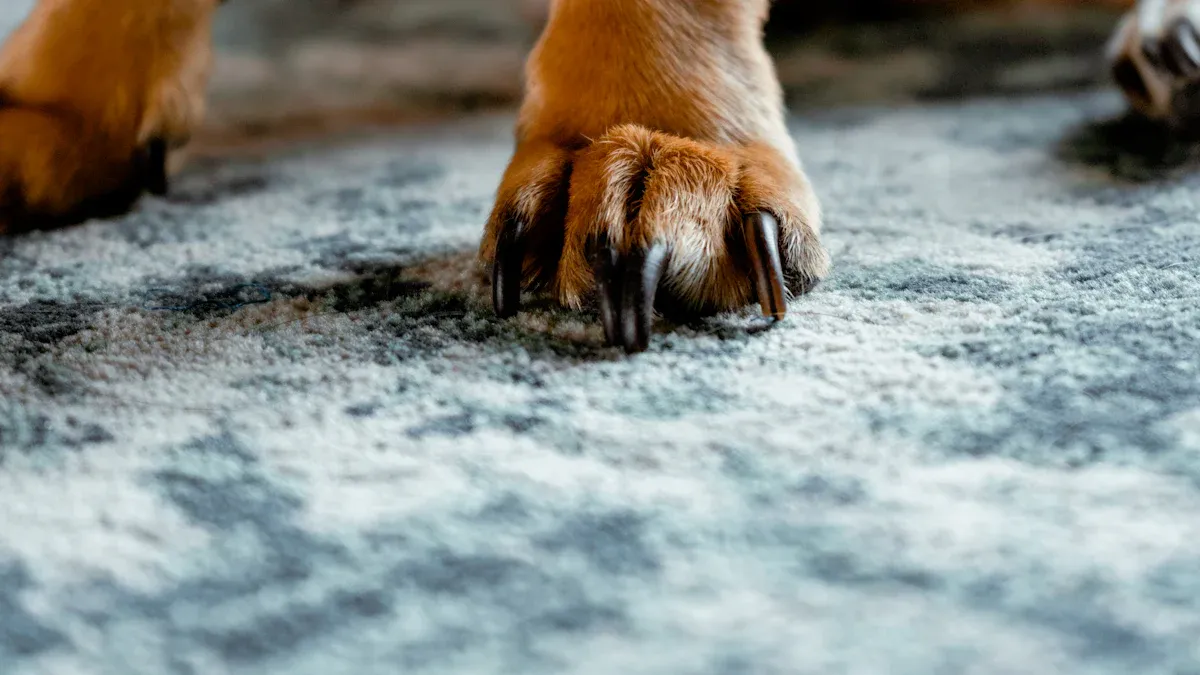
If you see your dog dragging back legs, watch for urgent signs. These signs help you know how fast you need to act. Your dog might knuckle, which means the top of the paw touches the ground. Scuffing happens when nails scrape the floor while walking. Toe-drag means your dog cannot lift their toes, so they drag on the ground. If your dog cannot bear weight, they may fall or have trouble standing.

Look for these warning signs:

  • Movements that are not steady or loss of balance

  • Trouble moving or walking

  • Walking slowly or having a hard time moving

  • Joints that hurt or licking a joint often

  • Full or partial paralysis

  • Back legs that are weak or shaking

  • Muscles that look smaller or wasted

  • Knuckling of the toes

  • Crying out in pain or acting upset

  • Not able to walk, stand, or move around

  • Trouble controlling pee or poop

You may also notice:

  • Not wanting to stand or walk

  • Having a hard time getting up from lying down

  • Limping or using one leg more than others

  • Getting tired faster than normal

  • Not wanting to play or go up stairs

  • Losing balance and stumbling often

  • Leg muscles that look thin or droopy

  • Trouble jumping onto furniture or into the car

If your dog shows any of these signs, act fast. Sudden weakness, pain, or loss of coordination can mean a serious problem like a spinal injury.

Why spinal injury is a priority

Spinal injuries can cause quick changes in dogs. Your dog may go from walking to dragging back legs in a short time. Dogs with weak hind legs can get worse quickly, sometimes leading to paralysis. A vet can find the cause and start treatment right away. Acting early gives your dog the best chance to get better.

If you see pain or loss of coordination, call your veterinarian right away. These symptoms may mean Intervertebral Disc Disease (IVDD) or degenerative myelopathy. Acting fast can stop more damage.

Quick Reference Card: emergency steps

Follow these steps if you see your dog dragging back legs:

  1. Call an Emergency Clinic Immediately
    Call your veterinarian or emergency clinic as soon as you see your dog cannot use their back legs. Tell them all the symptoms and follow their advice.

  2. Keep Your Dog Calm and Secure
    Keep movement to a minimum. Speak softly. Put your dog on a firm surface.

  3. Transport Safely
    Move your dog as little as you can. For small dogs, lift gently and support their body. For bigger dogs, use a stretcher or get help to keep them steady.

  4. Provide Comfort
    Use soft blankets and cushions. Make sure your dog feels safe.

  5. Seek Emergency Care for Pain or Distress
    If your dog seems in pain or upset, get veterinary help right away.

Always follow your vet’s instructions first. If your dog cannot pee or stand, treat this as an emergency today.

Traffic-light triage table

Use this table to see how urgent your dog’s problem is. Check each row and follow what it says.

Green: Monitor at Home

Yellow: Call Vet Soon

Red: Seek Emergency Care

Ability to Stand

Stands and walks fine

Stands with trouble or stumbles

Speed of Change

No sudden changes

Slow changes over days

Pain Signs

No pain, relaxed

Mild pain, whimpers

Bladder Control

Normal urination

Sometimes has accidents

Ability to Walk

Walks normally

Limping or slow walking

If your dog is in any “Red” category, get emergency care right away. If you see “Yellow” signs, call your vet soon. For “Green,” watch closely and keep your vet updated.

Dog dragging back legs is always a reason to act fast. Call your veterinarian for any sudden changes. Acting early can help your dog have a better outcome.

Sudden hind-leg paralysis: red flags to watch

Sudden hind-leg paralysis is very serious for dogs. You need to know the warning signs so you can help fast. If your dog cannot stand or pee, get help today. Acting quickly can help your dog get better. Sudden hind-leg paralysis often means a spinal injury or another big problem. Do not wait to see if your dog gets better alone.

Rapid loss of walking ability

Sudden hind-leg paralysis can happen in minutes or hours. Your dog may stop walking or standing without warning. This change can be scary for you and your dog. Watch for these signs:

  • Suddenly cannot stand or walk

  • Drags back legs or walks on the tops of paws

  • Knuckles or scuffs the paws

  • One side weaker or paralyzed

  • Seems confused or collapses

  • Trembles, pants, or does not want to move

If your dog has any of these signs, treat it as an emergency. Dogs with sudden hind-leg paralysis may cry when touched or moved. Severe pain often comes with this problem. You may see your dog cannot get up or keeps falling. These signs mean you need to call your vet right away.

Sudden hind-leg paralysis can have different causes. Some problems, like fibrocartilaginous embolism (FCE), cause sudden paralysis with little pain. Others, like intervertebral disc disease (IVDD), cause a lot of pain and fast loss of movement. Degenerative myelopathy usually gets worse slowly, but sudden changes always need quick care. Fast changes often mean a more serious problem.

If your dog cannot walk or loses use of their back legs suddenly, get help right away. Quick care can help your dog recover.

Bladder or bowel changes

Sudden hind-leg paralysis can affect your dog’s bladder or bowels. Watch for these emergency signs:

  • Cannot control bladder or bowels

  • Cannot pee or strains but nothing comes out

  • Has accidents in the house often

If your dog cannot pee, this is a true emergency. The bladder can fill up and burst if not treated fast. Nerve damage from sudden hind-leg paralysis can make your dog lose control of peeing or pooping. You may see wet bedding or your dog leaks urine without knowing. These changes mean you need to get help now.

  1. Not peeing can mean a blockage or nerve injury.

  2. Straining but not peeing can make the bladder too full and it may burst.

Never wait if your dog cannot pee. Call your vet or emergency clinic for advice and get ready to go.

Severe pain indicators

Dogs with sudden hind-leg paralysis may show signs of severe pain. Look for these pain signs:

  • Whines, yelps, or cries when touched or moved

  • Does not want to move or looks uncomfortable

  • Pants, shakes, or cannot settle down

Pain often means there is pressure on the spinal cord or nerves. Your dog may try to hide or not want to be touched. Some dogs get very quiet or seem upset. If you see these signs, treat them as urgent. Severe pain with sudden hind-leg paralysis is a sign of a big problem.

Always call your vet if you see sudden hind-leg paralysis, pain, or loss of bladder control. Acting early gives your dog the best chance for help.

Sudden hind-leg paralysis is always a reason to get emergency care. Do not wait or try home fixes. Same-day vet care is safest. Quick treatment can help stop more damage and may help your dog feel better.

Common causes of back leg weakness in dogs

Common causes of back leg weakness in dogs

Back leg weakness in dogs can happen for many reasons. It is important to know the main causes. This helps you get your dog the right care. Some problems affect young dogs. Most cases happen in older dogs. The table below lists some main causes and what they mean.

Cause

Description

Osteoarthritis

A joint disease that causes pain and stiffness in older dogs.

Degenerative Myelopathy

A genetic disease that leads to weakness in the back legs of older dogs.

Other causes of back leg weakness include:

  • Injury to the spine or legs

  • Toxins that can harm nerves and muscles

  • Musculoskeletal problems like hip dysplasia

  • Neurologic conditions such as intervertebral disc disease (IVDD)

IVDD: breed risks and patterns

IVDD means intervertebral disc disease. This problem often causes sudden back leg weakness. Dachshunds have the highest risk. Other breeds can get IVDD too. IVDD usually shows up in dogs between four and eight years old. The table below shows how IVDD affects different ages and breeds.

Breed

Age Group

Percentage Affected

Dachshund

5–9 years

25.5%

Dachshund

10+ years

35.3%

Dachshund

0–4 years

4.1%

Other Breeds

4–6 years

Peak occurrence

Other Breeds

6–8 years

Peak occurrence

Bar chart showing IVDD percentage by age group in Dachshunds

IVDD can make back leg weakness appear quickly. Dogs may drag their paws or stumble. Some dogs lose the ability to walk. IVDD needs fast action to stop more damage.

Degenerative myelopathy: age and progression

Degenerative myelopathy mostly affects older dogs. Most dogs show signs between eight and nine years old. The disease starts with mild back leg weakness. The weakness gets worse over time. You may see your dog drag one foot or cross the back legs when walking. Older dogs lose strength faster. Some breeds, like Corgis, may not show signs until after age eleven.

Degenerative myelopathy does not cause pain. It leads to loss of movement. You may see your older dog struggle to stand or walk. The disease usually gets worse over months.

Orthopedic pain vs neurological weakness

It is important to tell the difference between orthopedic pain and neurological weakness. Orthopedic pain comes from joints or bones. Neurological weakness comes from nerve or spinal cord problems. The table below helps you compare the two.

Condition

Symptoms

Orthopedic Pain

Limping, not wanting to put weight on a leg, slow to get up, worse after resting

Neurological Weakness

Trouble walking, paw knuckling, dragging toes, crossing back legs, not worse after lying down

Orthopedic pain makes your dog limp or avoid using one leg. Neurological weakness causes stumbling or dragging the back legs. If you see sudden changes or your older dog cannot walk, call your veterinarian. Acting early can help your dog get the best care for back leg weakness.

Veterinary evaluation: what to expect

When you take your dog to the vet, share everything you have seen. Tell the vet about all symptoms, even if they seem small. Give a full health history, like when you first saw changes. Say if your dog has pain, trouble walking, standing, or going to the bathroom.

The vet will do a physical and neurological exam. This helps find out if nerves, spine, or muscles are the problem. The vet will check how your dog moves, its reflexes, and if it feels pain. You might see the vet:

  • Watch your dog walk and stand

  • Test how strong and big the muscles are

  • Press along the spine and hips to check for pain

  • Move the neck and back to see if it hurts or is stiff

  • Press on the toes to test deep pain feeling

The vet may also do these tests:

  • Blood tests to look for infection or organ problems

  • Urine tests to check for other diseases

  • X-rays to look at bones and spine

  • MRI or CT scans to see the spinal cord and discs

  • Spinal fluid tests if needed

Here is a table with common tests:

Step

Description

1

CBC, chemistry panel with electrolytes, urinalysis to check for metabolic or endocrine causes

2

More tests if needed, such as insulin or hormone tests based on first results

Neurological exam and pain assessment

During the neurological exam, the vet looks for nerve or spinal cord injury. The vet will:

  • Check muscle size in the head, legs, and body

  • Press on the toes to see if your dog reacts to pain

  • Feel along the spine for sore spots

  • Move the tail and hips to check for pain in the lower back

Stay calm and help your dog stay still during these tests. Tell the vet if you notice new symptoms at home.

Imaging and anesthesia basics

If the vet thinks your dog has a spinal injury, they may suggest imaging. MRI shows the spinal cord and discs best, especially in some breeds. CT scans work well for breeds like Dachshunds and are often faster and cheaper. Your dog may need anesthesia to stay still for these tests. The vet will talk about the risks and benefits before starting.

Quick vet care helps your dog get the right diagnosis and treatment. Always ask questions if you do not understand a test or result.

Safe handling and home care in the first 24 hours

Restricting movement and crate rest

You need to keep your dog as still as possible during the first 24 hours. Crate rest is the safest way to protect your dog’s spine. Choose a crate or pen that fits your dog’s size. For small dogs, use a space no bigger than 1 meter by 1 meter. For large dogs, use up to 2 meters by 2 meters. Only let your dog stand or walk when necessary, such as for bathroom breaks. Always use a harness for support during these times. Check the harness for comfort and look for any skin irritation. Do not let your dog jump, run, or climb stairs.

Crate rest should last at least 6 weeks for most spinal injuries. Short, controlled walks are only for potty breaks.

Safe transport tips

If you need to transport to a veterinary clinic, keep your dog calm and secure. Use a firm surface like a board or a folded blanket for support. For dogs over 30 pounds, ask for help and use a team lift. Avoid twisting your back when lifting. One person should control the head, while others support the body. Use a harness, wrap, or towel sling for extra safety. If your dog shows pain or cannot move, call the emergency veterinary clinic before moving them.

Do / Don’t Table for Lifting and Transfers

Do

Don’t

Use a team for dogs over 30 lbs

Lift heavy dogs alone

Support both front and back ends

Twist your spine

Use harnesses or wraps

Rush the transfer

Move slowly and speak calmly

Ignore signs of pain

Crate rest and movement checklist

Follow this checklist for the first 24 hours:

  • Confine your dog to a small, safe area.

  • Allow only 3 short leash-only potty breaks (about 5 minutes each).

  • Use a harness for all transfers.

  • Check your dog’s comfort and skin after each break.

  • Keep the Quick Reference Card nearby.

  • Call the emergency veterinary clinic if you see new pain, loss of bladder control, or sudden changes.

Staying alert and following these steps helps protect your dog until the veterinarian can give further instructions.

Mobility support gear for dogs with back leg weakness

Mobility support gear for dogs with back leg weakness

When your dog struggles with weak back legs, the right support gear can make daily life safer and more comfortable. You have several options to help your dog move, prevent injuries, and protect their paws.

Rear sling vs full-body harness

You can choose between a rear sling and a full-body harness. A rear sling gives your dog a gentle lift from behind. This tool works well for short walks or bathroom breaks. It is simple and affordable. You can use it when your dog lies down or stands up.

A full-body harness supports both the front and back legs. This harness helps you lift your dog completely if needed. It works best for dogs with weakness in more than one area or for those who need extra help. Full-body harnesses are durable and safe for longer use. They are a good choice for dogs with ongoing or progressive problems.

Always check the fit of any harness or sling. Make sure it does not rub or pinch your dog’s skin.

Wheelchairs and paw protection

Dog wheelchairs give freedom to pets who cannot walk on their own. You can adjust most wheelchairs to fit your dog’s size. They help your dog move around and stay active. Drag bags protect your dog’s chest and legs if they scoot on the floor. Paw protection, like booties or socks, keeps paws safe from scrapes and sores. These tools work well for dogs who drag their feet.

You should trim your dog’s nails often. Short nails prevent snagging and reduce the risk of injury. Paw braces can add extra support and improve traction on slippery floors.

Support gear comparison table

Here is a quick guide to common mobility support options:

Option

Best for

Risk if misused

Fitting tip

Rear Sling

Short-term rear leg support

Skin rubbing, poor balance

Use padding, check fit each use

Full-Body Harness

Full-body or long-term support

Lifting strain, pressure

Adjust straps for snug, not tight

Wheelchair

Severe or permanent paralysis

Tipping, paw sores

Measure your dog for proper size

Paw Protection/Booties

Dogs who drag or scuff paws

Slipping, lost booties

Choose non-slip, secure fasteners

If you see new pain, sores, or changes in walking, contact your veterinarian for advice.

Recovery basics and ongoing support

Strict rest duration and activity limits

Strict rest is very important for dogs with spinal injuries. You need to keep your dog in a small area like a crate or pen. This helps stop more injury from happening. The table below shows how long strict rest should last for each treatment:

Treatment Method

Recommended Duration of Strict Rest

Conservative Treatment

8 weeks

Surgical Treatment

4 to 6 weeks

Only let your dog move when needed. Use a leash for every potty break. Most vets say three short breaks a day are best. Each break should be about five minutes long. Over six weeks, this means 3 breaks × 7 days × 6 weeks = 126 potty trips. Planning these breaks helps you care for your dog and keeps recovery going well.

Keep your dog calm. Do not let them use stairs, jump, or play rough. Always listen to your veterinarian if symptoms change.

Gentle exercise and rehab timing

Gentle exercise helps your dog get better after strict rest. Physiotherapy can start soon after diagnosis. Begin with easy things like massage and passive range of motion (PROM) exercises. These help lower pain and keep muscles working. In the first two weeks, try to stop muscle loss. Between weeks four and six, add assisted standing, short leash walks, and balance exercises. Hydrotherapy and slow walks help your dog get stronger. Always keep walks short and slow. Only increase activity when your veterinarian says it is okay.

  • Passive Range of Motion (PROM) Exercises

  • Assisted Standing and Walking

  • Hydrotherapy

  • Massage and Physical Therapy

  • Balance and Coordination Exercises

If you see new pain, weakness, or loss of bladder control, call your veterinarian right away.

Weight management and traction tips

Keeping your dog at a healthy weight helps the spine and joints. Feed measured meals and do not give too many treats. Put non-slip mats or rugs on slippery floors. Trim your dog’s nails often so they do not slip. Paw grips or booties help dogs who drag their feet. Good traction lowers the chance of falls and injuries while your dog recovers.

Watch for changes in how your dog moves or feels. Check in with your veterinarian often to give your dog the best support during recovery.

FAQ

8 urgent questions about dog dragging back legs

1. What should you do first if your dog starts dragging its back legs?
Call your veterinarian or an emergency clinic right away. Keep your dog calm and restrict movement.

2. How urgent is sudden back leg weakness or paralysis?
Treat sudden changes as an emergency. Fast action can help prevent more damage.

3. How long should you keep your dog on crate rest after a spinal injury?
Most veterinarians recommend strict crate rest for at least six weeks. Only allow short, leash-only potty breaks.

4. What size should the confinement space be during crate rest?
Use a crate or pen no larger than 1 meter by 1 meter for small dogs or 2 meters by 2 meters for large dogs.

5. How can you safely lift or move a dog with weak back legs?
Use a rear sling or full-body harness. For dogs over 35 pounds, ask for help and use a team lift.

6. When should you call your vet about bladder or bowel changes?
Call your vet immediately if your dog cannot pee, strains without success, or loses control of bladder or bowels.

7. What support gear helps dogs with back leg weakness?
Rear slings, full-body harnesses, wheelchairs, and paw protection can help. Always check for proper fit and comfort.

8. Can dogs recover from dragging their back legs?
Some dogs improve with early treatment and strict rest. Recovery depends on the cause and how quickly you act. Always follow your veterinarian’s advice.

🐾 Tip: Keep your emergency contact info and Quick Reference Card handy. Quick action and safe handling give your dog the best chance for improvement.

Question

Urgency Level

Action

Sudden paralysis

🚨 Emergency

Call vet now

Loss of bladder control

🚨 Emergency

Seek help today

Mild weakness

⚠️ Monitor

Call vet soon

You play a key role in your dog’s recovery. Quick action can make a big difference when you see back leg weakness or paralysis. Stay in close contact with your veterinarian and watch your dog for any changes. Use safe handling and the right support gear every day. Follow your vet’s recovery plan step by step.

Keep your emergency contact numbers and Quick Reference Card in an easy-to-find place. Early help gives your dog the best chance for improvement.

Get A Free Quote

Table of Contents

Get A Free Quote Now !

If you have any questions, please do not hesitate to contatct with us.

Types of Dog Braces for Different Conditions
  • MOQ (Minimum Order Quantity): 500 units
  • Lead Time: Approximately 30-45 days after deposit confirmation.
  • Payment Terms: T/T – 30% deposit in advance, balance to be paid before shipment.