
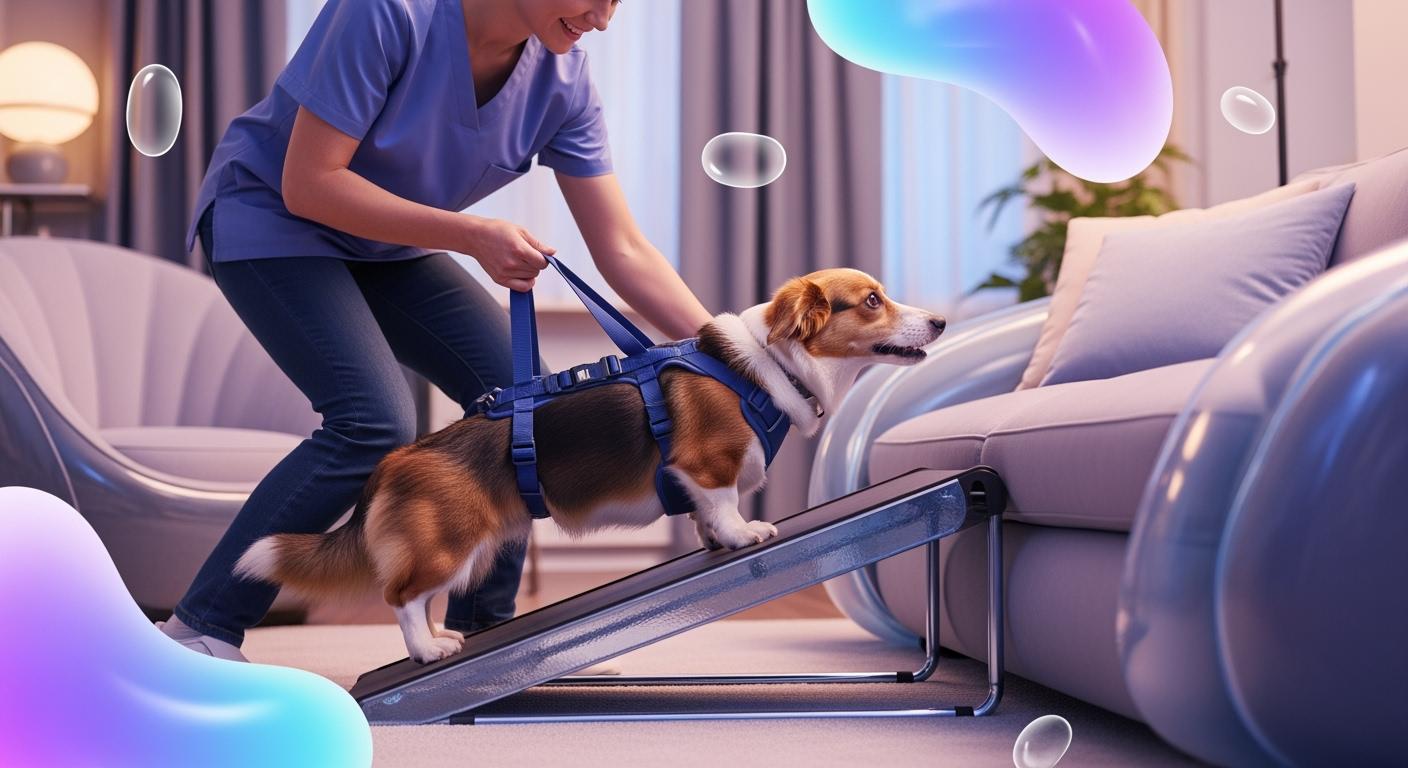
Full-body lift harnesses and ramps are essential for IVDD dog home care, as they help prevent falls and support your dog’s recovery. Ensuring proper crate rest, monitoring your dog closely, and providing comfort are crucial components of their care. It’s important to handle your dog safely and assist them in finding restful sleeping positions. Always prioritize your vet or neurologist’s recommendations over general advice. By following these home care tips for your IVDD dog, you can effectively support their healing process and recognize when it’s time to seek professional help.
Key Takeaways
Use full-body lift harnesses and ramps to help your IVDD dog. These tools stop your dog from falling. They keep your dog safe and help healing.
Watch your dog closely for IVDD symptoms. Finding problems early helps your dog get better faster. It also helps the vet treat your dog sooner.
Make a daily routine for potty breaks and rest. Doing the same things each day helps your dog heal. It also lowers the chance of problems.
IVDD dog home care basics and mobility gear
Recognizing IVDD symptoms at home
You are important in IVDD dog home care. Watch your dog for early signs of problems. Finding these signs fast helps your dog get better. Your dog might act stiff or yelp when you touch them. They could walk with a hunched back. Some dogs feel weak or shake. Others have trouble peeing. If you see these changes, keep your dog from moving. Call your veterinarian right away. Your veterinarian or neurologist’s plan is always most important.
Here is a quick reference table of symptoms you might see at home:
Symptom | Description |
|---|---|
Neck pain and stiffness | Reluctance to move the neck and head |
Lowered head stance | A sign of discomfort or pain |
Back pain and stiffness | Observable discomfort when touched |
Yelping unexpectedly | Sudden vocalization when touched or moving |
Abdominal tenderness | Sensitivity in the abdominal area |
Arched back | Hunched posture indicating pain |
Sensitivity to touch | Possible aggression due to pain |
Impaired urination | Incomplete or inappropriate urination |
Lameness | Difficulty in walking or standing |
Weakness | General loss of strength |
Stilted gait | Tentative or awkward walking |
Tremors | Shaking or trembling |
Lack of coordination | Difficulty in movement (ataxia) |
Paralysis | Loss of movement in one or more limbs |
Tip: If you notice problems early, you can stop lasting damage. Always do what your veterinarian says for IVDD dog home care.
Why mobility support prevents setbacks
Mobility support is very important for IVDD dog home care. The right gear helps your dog not fall or get hurt again. Harnesses, slings, and ramps let your dog move safely. These tools protect the spine and neck from strain. They also help your dog stay active. Being active is good for your dog’s body and mind. Mobility aids make your life easier too. You will feel less stress as a caregiver. Your veterinarian or neurologist’s plan is always most important.
Mobility support devices keep your dog safe during rest and short walks.
Ramps and stairs reduce the risk of falls on steps or furniture.
Non-slip socks and booties give your dog better grip on smooth floors.
Gear-first mobility support
Picking the right gear is a big part of IVDD dog home care. Match the gear to your dog’s size and needs. For crate rest, use a pen that fits your dog. Small dogs need about 1 meter by 1 meter of space. Large dogs need about 2 meters by 2 meters. Most dogs must rest for 6 weeks unless your veterinarian says something different. If your dog weighs over 40 pounds, ask someone to help you lift.
Orthopedic back braces can help the spine and ease pain. These braces are made to fit well and feel soft. Full-body lift harnesses and rear slings help your dog walk and go potty. Ramps stop your dog from jumping, which can cause problems. Traction socks and booties keep paws safe and stop slips.
Note: Always check if the gear fits before using it. Badly fitting gear can hurt or bother your dog.
Gear comparison: harness, sling, socks, booties, ramps
There are many types of gear for mobility support. Each one has good points and some limits. Use this table to compare the main choices for IVDD dog home care:
Product Category | Best For | Limits | Fit Risks | When to Upgrade |
|---|---|---|---|---|
Full-body lift harness | Dogs needing full support for walking, stairs, or transfers | May be bulky for small dogs; requires proper adjustment | Too loose can cause rubbing; too tight can restrict movement | Upgrade if your dog gains/loses weight or develops sores |
Rear sling | Short potty breaks, rear-end weakness | Not for long walks; does not support front legs | Can slip off if not sized right | Upgrade to full-body harness if front legs weaken |
Traction socks | Slippery floors, mild paw dragging | Wear out quickly; not for outdoor use | May fall off if too loose | Upgrade to booties if paw injuries develop |
Protective booties | Paw protection, outdoor walks | Can be hot in warm weather; may affect balance | Too tight can cut off circulation | Upgrade if your dog needs more ankle support |
Ramps | Access to furniture, cars, stairs | Needs space; must be stable | Slippery if not textured | Upgrade to longer/wider ramp for larger dogs |
Safety Reminder: Always watch your dog when using new gear. Look for signs your dog is not comfortable or is slipping.
You help your dog get better by picking the right gear and checking their comfort. Remember, your veterinarian or neurologist’s plan is always most important.
Traffic-light guide for daily IVDD care
You can use a traffic-light system to check your dog at home. This guide helps you know if your dog is okay, needs more help, or must see a vet now. Your veterinarian or neurologist’s plan is always most important.
Green: stable signs and calm rest
Your dog is doing well if you see these signs:
Walking with just a little help
Moving only a little in their safe area
Resting without pain
Standing, sitting, and getting up easily
Walking slowly on a leash for short times
Relaxing with family members
Chewing toys in a calm way
Your dog can rest and get better with simple care. Keep watching your dog and help them every day.
Yellow: new weakness or stumbling
You may see new problems like weakness or stumbling. Your dog might slip, drag a paw, or look wobbly. Watch your dog closely and call your vet for advice. Do not wait if your dog gets worse. Your veterinarian or neurologist’s plan is always most important.
Red: urgent signs needing a vet
You need to act fast if you see these signs:
Sudden paralysis in the back legs
Not able to walk or stand
Dragging the back legs
Losing bladder or bowel control
Bad pain (crying, whimpering, arched back)
Not wanting to move
Strange posture
Not feeling deep pain
Some dogs can get worse in less than one hour. Go to your vet or an emergency clinic right away.
Decision table: stable day or urgent vet contact?
Check this table to see how your dog is doing each day:
Status | Ability to Stand | Slipping Risk | Knuckling/Dragging | Pain/Distress | Ability to Toilet | Caregiver Can Assist Safely |
|---|---|---|---|---|---|---|
Green | Stands easily | None | None | Calm | Normal | Yes |
Yellow | Needs help | Sometimes | Mild | Mild | Needs help | Yes |
Red | Cannot stand | Frequent | Severe | Severe | Cannot | No |
If you see any Red signs, call your vet right away. Always do what your veterinarian or neurologist says instead of general advice.
Crate rest setup and best positions for dogs with IVDD
Crate size and safe bedding
You want your dog to feel safe and cozy during IVDD care. Pick a strong crate that is big enough for your dog. Your dog should be able to sit, stand, and turn around. Small dogs do well in a crate about 1 meter by 1 meter. Big dogs need a crate up to 2 meters by 2 meters. A folding metal crate works well at home. Put a soft orthopedic bed inside the crate. Memory foam beds help support your dog and ease pain. Use non-slip mats so your dog does not fall. Always use bedding that soaks up messes and keep it clean. Your veterinarian or neurologist’s plan is always most important.
Resting positions for a dog with IVDD
You can help your dog by showing them good resting positions. Lying on their side is a safe way for dogs with IVDD to rest. This keeps the spine straight and takes pressure off the discs. Use soft bedding and pillows to keep your dog comfy. Change your dog’s position sometimes to stop sores and stiffness.
Ideal sleeping positions for dogs with IVDD
The best sleeping positions for dogs with IVDD are like their resting positions. Sleeping on the side helps keep the spine straight and lowers pain. Remind your dog to use these positions. Help your dog move if they need it. Watch your dog to make sure they are comfortable. Your veterinarian or neurologist’s plan is always most important.
Crate rest setup checklist
Use this checklist to make a safe crate rest spot for your dog:
36″ wire crate or one that fits your dog
Soft orthopedic bed or crate pad (not too squishy)
Bedding that soaks up messes and can be washed (like towels)
Favorite blanket and safe toys
Water bowl clipped to the crate at head level
Pee pads for accidents
Non-slip mat at the crate door
No jumping—always lift your dog in and out
Safe, non-slip path to the potty spot
Tip: Always watch your dog when they go in or out of the crate. Hold your dog’s spine steady and do not let them move fast.
You help your dog heal by making a safe and comfy space. The best sitting and standing positions for dogs with IVDD are important too. Help your dog stand with a straight back and do not let them twist. Crate rest is the main way to care for dogs with IVDD.
Safe lifting and harness use for IVDD dogs
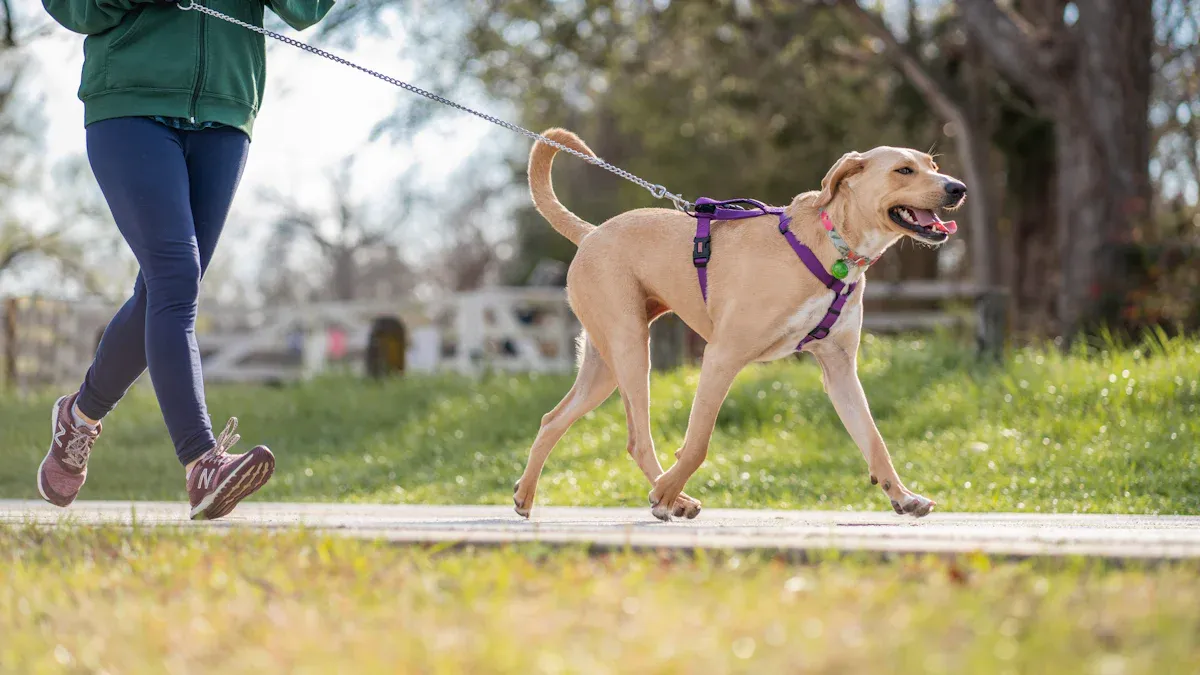
Keeping the spine straight
You must protect your dog’s spine during every lift and transfer. Always keep the spine straight and move slowly in a straight line. Follow these steps for safe lifting:
Place one hand under your dog’s chest and the other under the hindquarters.
Lift gently, keeping your dog’s body level and close to your own for stability.
Avoid twisting or bending your dog’s back.
Move with slow, controlled motions to prevent pain or stress.
For dogs over 40 lb, ask another person to help you lift. This team-lift approach keeps both you and your dog safe.
Caregiver safety tip: Never lift a large dog alone. Teamwork prevents accidents and supports proper IVDD treatment.
Your veterinarian or neurologist’s plan overrides general guidance. Always follow their instructions for home care and recovery.
Using ramps for stairs and cars
Ramps help your dog avoid jumping and climbing, which can worsen IVDD. Choose ramps with stable bases, good traction, and side rails. These features reduce falls and spinal injury risk.
Feature | Benefit |
|---|---|
Stability | Prevents wobbling and keeps your dog balanced. |
Traction | Stops paws from sliding, lowering leg and back strain. |
Side Rails | Adds safety, preventing falls from missteps. |
Use ramps for all stairs and car entries.
Make sure ramps have a non-slip surface.
Monitor your dog during use to ensure safe movement.
Your veterinarian or neurologist’s plan overrides general guidance.
Harness fit checks
A well-fitted harness supports your dog and protects the spine. Check for these features:
No-choke, spine-safe design that avoids neck pressure.
Multiple adjustment points for a secure fit.
Breathable, lightweight materials for comfort.
Durable construction for daily use.
Padded chest support to reduce spinal impact.
Front clip option for gentle control.
Check the harness fit before each use. Make sure it does not rub or restrict movement. Proper monitoring and rest help your dog heal and reduce pain during IVDD recovery.
Rear sling and potty break routine
Supporting balance during potty breaks
You help your dog stay safe during potty breaks by using a rear sling. This tool gives support to the back end and keeps the spine straight. Hold the sling so your dog can walk with all four paws on the ground. Do not lift your dog off the ground. The “support, don’t suspend” rule means you help with balance but do not carry all the weight. Watch for signs of pain or stress. If your dog struggles, stop and try again later. Your veterinarian or neurologist’s plan overrides general guidance.
Potty break routine checklist
A good potty break routine helps your dog with IVDD treatment and recovery. You should keep each outdoor session short and calm. Most dogs need at least three potty breaks a day. Some dogs may need more. Each trip should last only a few minutes. Use this checklist for home care:
Use a rear sling for support during each potty break.
Keep each outdoor session to about 5 minutes.
Plan for 4 trips outside per day.
Stay on a flat, non-slip surface.
Watch for signs of pain or fatigue.
Clean up and return your dog to rest right away.
Daily outdoor time = 5 minutes x 4 = 20 minutes/day
Print this checklist and keep it near your dog’s crate for easy monitoring.
When to upgrade from rear sling to full-body harness
You may need to upgrade from a rear sling to a full-body lift harness if your dog shows weakness in the front legs or has trouble balancing. A full-body harness gives more support and helps with safe transfers. Always check the fit before each use. If you see changes in your dog’s movement, talk to your veterinarian. Your veterinarian or neurologist’s plan overrides general guidance.
Traction and paw protection for IVDD dogs
Traction socks for slippery floors
You want your dog to stay safe on smooth floors during IVDD recovery. Traction socks use non-slip pads to help your dog grip hardwood and tile. These socks improve stability for dogs with mobility problems. Older dogs often slip more, so traction socks can lower the risk of falls. You should introduce socks slowly, letting your dog adjust to wearing them. Monitoring your dog’s comfort helps you spot any issues early. Increasing traction is a key part of home care for IVDD treatment. Your veterinarian or neurologist’s plan overrides general guidance.
Traction socks boost grip on slick surfaces.
They help prevent falls and support safe movement.
Dogs with IVDD benefit from extra stability during rest and short walks.
Booties for paw injuries
Booties protect paws from injury and pain. Custom-made shoes fit your dog’s feet and provide stability, cushioning, and support. Non-slip soles help your dog walk safely on slippery floors. Adjustable closures keep booties secure, while breathable materials help healing. Waterproof booties keep bandages dry if your dog needs extra protection. Off-the-shelf options offer quick help, but custom booties work best for dogs that drag their paws. You should check the fit often and watch for signs of discomfort. Your veterinarian or neurologist’s plan overrides general guidance.
Custom IVDD dog shoes provide the best comfort and support.
Off-the-shelf booties protect paws but may not fit as well.
When more support is needed
Sometimes traction socks and booties are not enough. You may need custom protective shoes for long-term use. Corrective training shoes help with stability and proper paw placement. Breed-specific gear supports dogs with unique paw shapes and walking styles. If your dog continues to slip or shows new pain, you should consider upgrading support gear. Monitoring your dog’s movement and rest helps you decide when to add more support.
Tip: Always check your dog’s paws and gear daily. Early action prevents bigger problems.
Daily routine and hygiene for IVDD recovery
Potty-break schedule and outings
You help your dog get better from IVDD by sticking to a simple daily routine. Most dogs need to go outside four times each day for potty breaks. Each time outside should last about five minutes. This helps keep your dog safe and helps with their treatment. You can use a rear sling or harness to give your dog extra support. Always use ramps instead of stairs so your dog does not feel pain or get hurt. Try to keep each outing calm and not rushed. Your dog should spend about 20 minutes outside each day. Your veterinarian or neurologist’s plan is always the most important.
Time | Activity | Duration |
|---|---|---|
7:00 | Morning potty (with sling) | ≤5 minutes |
12:00 | Midday potty + water | Track output |
20:00 | Evening potty (harness) | ≤5 minutes |
Logging changes for your vet
Watching your dog closely helps you find problems early. You should write down any changes in how your dog moves, rests, eats, or feels. Keep track of any pain or new weakness you see. Write down how your dog acts when using support gear. Share this information with your veterinarian at checkups. Your veterinarian or neurologist’s plan is always the most important.
Hygiene and comfort tips
Keeping your dog clean is very important, especially if they have trouble holding their pee. Use bedding that soaks up messes and dog diapers to keep your dog dry. Change diapers and pads often so your dog stays clean. Give your dog gentle bed baths with pet-safe cleaners after accidents. Trim the fur around your dog’s private area to stop infections. Bedding that pulls moisture away from the skin helps stop rashes. Brush your dog often to help blood flow and check for sore spots. These steps make home care easier and help your dog rest well.
Tip: Check your dog’s skin every day for redness or sores. If you act fast, you can stop bigger problems.
Top mistakes in IVDD dog home care
Common gear and handling errors
You want to help your dog heal, but some common mistakes can slow recovery or cause harm. Many owners use gear incorrectly or skip important steps. Improper lifting, twisting your dog’s body, or letting a harness rub can all lead to more pain. Skipping traction socks on tile or letting booties slip off increases the risk of falls. Using a rear sling to lift too high or not supporting the front end can strain the spine. Allowing couch or stair access without a ramp can undo weeks of rest. Your veterinarian or neurologist’s plan overrides general guidance.
At least 12 top mistakes list
Here are the top mistakes to avoid during IVDD home care and treatment:
Letting your dog move freely outside the crate or pen.
Allowing jumping on or off furniture or stairs without ramp support.
Lifting your dog without keeping the spine straight.
Using a rear sling to suspend your dog instead of supporting all paws.
Skipping traction socks or booties on slippery floors.
Allowing booties or socks to slip off during walks.
Using a harness that rubs or fits poorly.
Missing doses or giving medicine at the wrong time.
Ignoring early signs of pain or changes in movement.
Waiting to see if symptoms improve instead of seeking help.
Applying heat or cold packs without veterinary advice.
Treating your dog as too fragile, which can cause stress for both of you.
Careful monitoring and proper support gear help your dog’s recovery. Your veterinarian or neurologist’s plan overrides general guidance.
IVDD dog home care FAQs
Frequently asked questions
You may have many questions about IVDD dog home care. Here are answers to some of the most common questions owners ask:
Can my dog recover from IVDD at home?
You can help your dog recover with strict rest, proper support gear, and close monitoring. Some dogs improve with treatment, but others may need more help. Your veterinarian or neurologist’s plan overrides general guidance.Is euthanasia necessary for dogs with severe IVDD?
You do not always need to choose euthanasia. Some dogs with grade 5 IVDD can recover with care and treatment. Decisions depend on your dog’s pain, your ability to provide home care, and your veterinarian’s advice.What bedding should I use for my dog during recovery?
You should use a flat layer of padding with a soft top layer. Incontinence pads help keep your dog dry and comfortable. Change bedding often to prevent sores.How do I prevent my dog from hurting themselves during rest?
You must keep your dog in a safe area, use ramps for access, and avoid rough play. Do not let your dog drag themselves, as this can slow recovery.How long does recovery take for IVDD?
Most dogs need 4 to 6 weeks of crate rest. If deep pain sensation does not return in this time, your dog may need long-term support or wheels.When should I contact my vet?
You should call your vet if you notice worsening weakness, sudden collapse, inability to toilet, escalating pain, or new uncontrolled slipping. Your veterinarian or neurologist’s plan overrides general guidance.
Tip: Careful monitoring and proper support gear help your dog heal safely.
You can help your dog get better by doing these things: First, make a safe spot for your dog to rest and heal. Next, use crate rest so your dog does not move too much. Check your dog’s bladder often to keep it healthy. Stop your dog from jumping and always lift them the right way. Only let your dog be active as much as your vet says. Your veterinarian or neurologist’s plan is more important than other advice. Use checklists and look out for any emergency signs. Your veterinarian or neurologist’s plan is always most important. Taking good care of your dog at home helps them recover.
