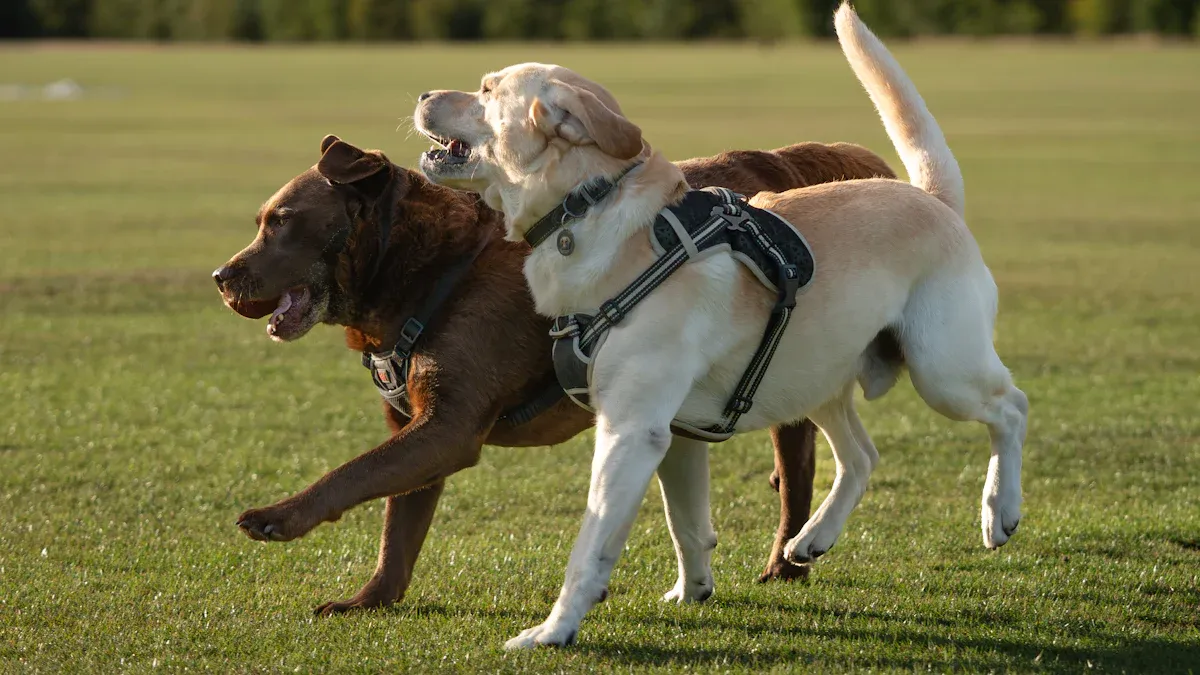
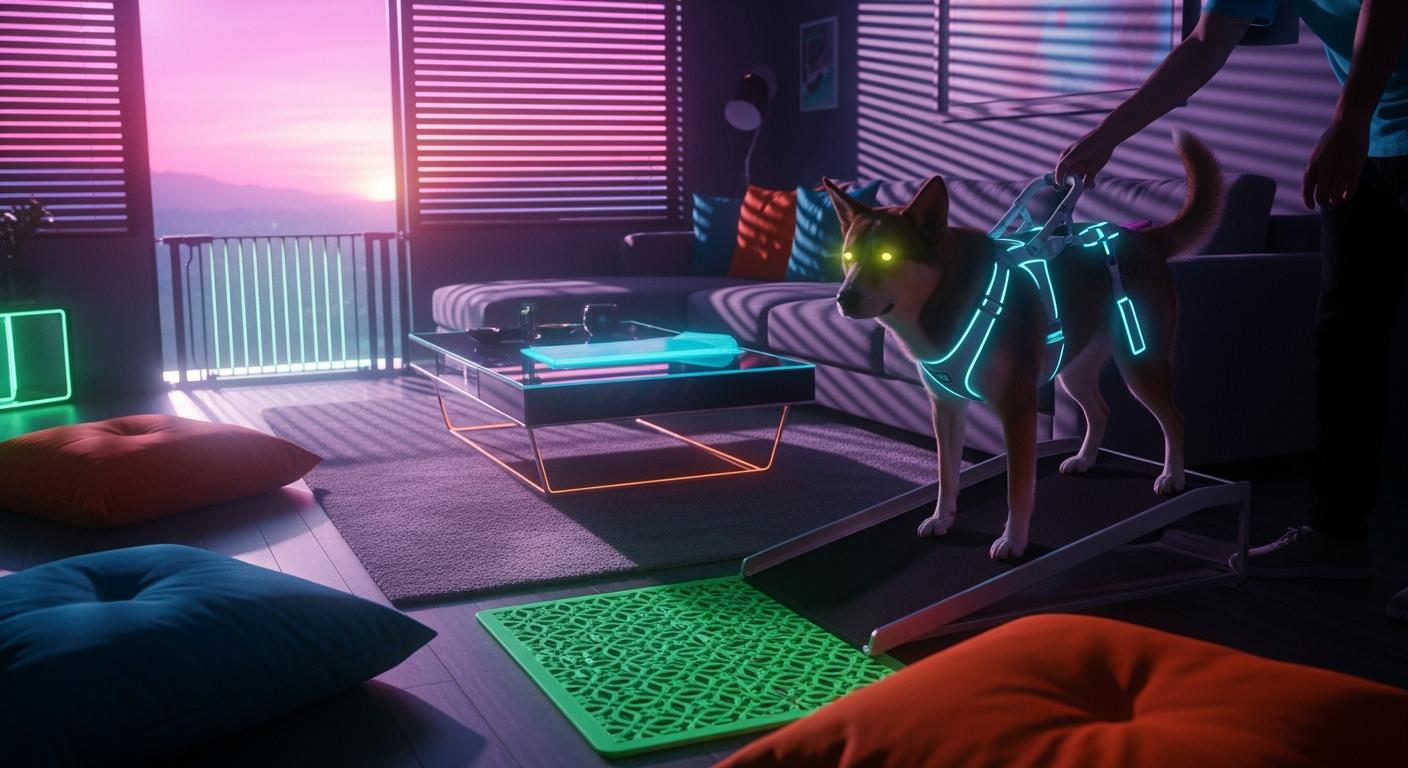
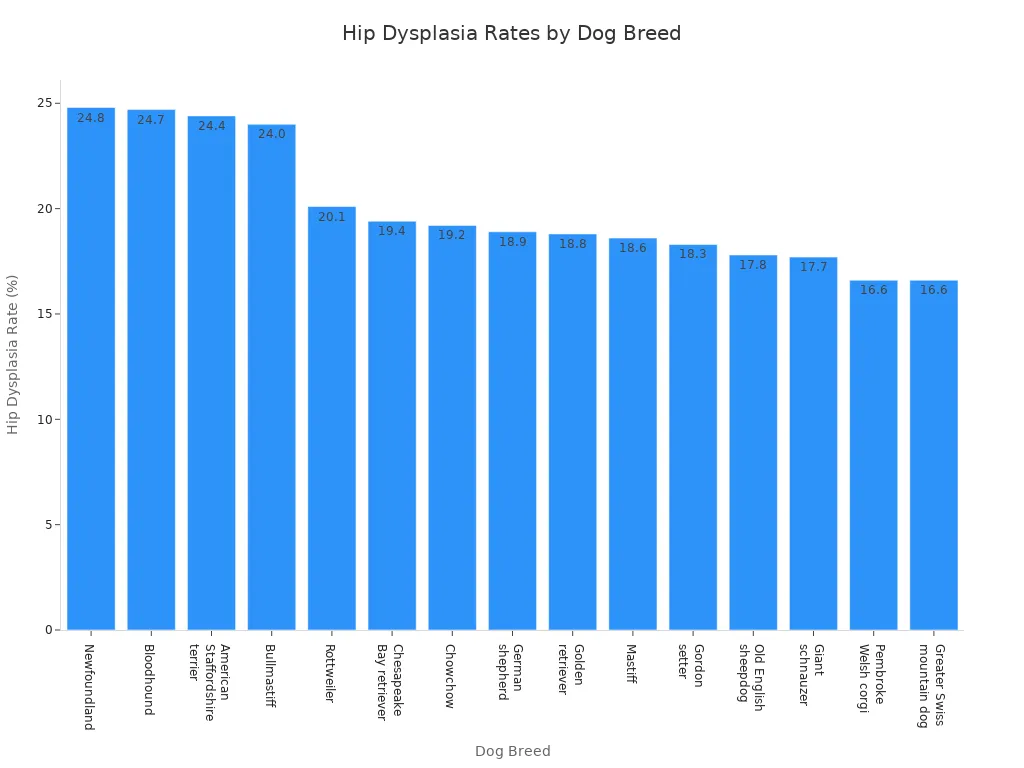
You want your dog to move safely at home. You also want your dog to feel comfortable. Dog hip dysplasia conservative management helps many dogs. It helps them feel more confident. Controlled activity, weight management, and supportive gear help dogs move better. Hip dysplasia rates are different for each breed:
Dog Breed | Hip Dysplasia Rate |
|---|---|
Newfoundland | 24.8% |
German shepherd | 18.9% |
Golden retriever | 18.8% |
Pembroke Welsh corgi | 16.6% |
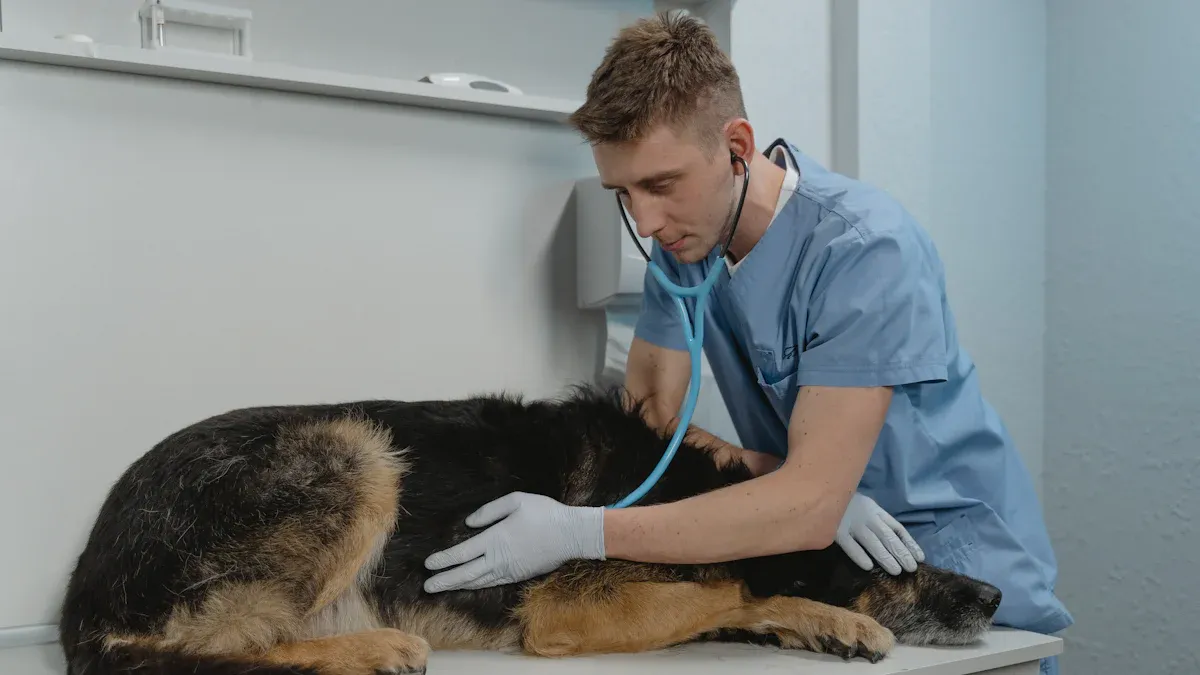
You should always talk to your veterinarian first. Do this before you start a new management plan.
Key Takeaways
First, make your floors less slippery. Put down runners, paw grips, or traction socks. These help your dog walk safely and stop slips.
Keep your dog at a healthy weight. This takes pressure off their hips. It also helps them feel better and move easier.
Add gentle exercises like slow walks or swimming. These help your dog build muscle. They do not cause pain.
Dog hip dysplasia conservative management basics
Why slick floors and stairs worsen symptoms
Slick floors and stairs make things harder for dogs with hip dysplasia. Your dog might slip or stop walking on tile or wood floors. These surfaces make your dog walk in a different way. Dogs take short steps and spread their legs to keep from falling. This puts more stress on their hips and joints. Bad traction can make joint pain worse and cause more movement problems.
A veterinary study showed dogs with osteoarthritis or hip dysplasia have trouble on slick floors. They touch the floor less with their paws, which makes walking harder and less safe.
Puppies who walk on slippery floors early may have a higher risk of hip dysplasia. If your dog has trouble standing up or seems stiff, slick floors and stairs can make it worse. You can help by using traction runners, paw grips, or traction socks. Ramps and flat paths also lower the chance of falls and joint stress.
Common home factors that worsen symptoms:
Rapid growth in puppies from too much food
Unbalanced diet
Too much or too little exercise
Slippery floors and steep stairs
Goals: comfort, confidence, and safe movement
Dog hip dysplasia conservative management has three main goals. You want your dog to feel good, move with confidence, and stay safe at home. Pain control is important. You can use medicine and joint supplements your vet suggests. Keeping joints healthy with anti-inflammatories and supplements helps your dog stay active.
Physical rehab and helpful devices make your dog’s life better. Ramps, harnesses, and traction aids help your dog move safely. You can pick non-surgical choices that work for your dog. This plan does not cure hip dysplasia, but it helps your dog live well.
Primary goals of conservative management:
Manage pain with vet-approved medications and supplements
Support joint health with anti-inflammatories and joint protectors
Improve daily life with rehab exercises and mobility gear
Caregiver’s role in daily routines
You are very important in your dog’s daily care. Movement is needed for dogs with hip dysplasia. Gentle activity helps joints move, builds muscle, and lifts mood. You can help by picking easy exercises like slow walks or swimming. These activities help your dog move without causing more pain.
Keep your dog’s weight healthy. This lowers stress on the hips. Give your dog a soft bed and keep them warm when it is cold. Stay away from slippery floors and use ramps instead of stairs if you can. You can also try muscle-building exercises like sit-to-stands and ladder walks. Massaging the hip area may help with pain.
Daily routines for caregivers:
Give low-impact exercise, like slow walks or swimming
Keep your dog’s weight healthy
Keep your dog warm in cold weather
Give a soft, supportive bed
Avoid slippery floors and use ramps for stairs
Try physical therapy and holistic care
Use cartilage-protecting supplements and manage pain as needed
Feed a balanced diet with protein and antioxidants
Do muscle-building exercises
Massage hip muscles gently
Ask your veterinarian about non-surgical management and other options
Low-impact activities and helpful gear are key for caring for dogs with hip dysplasia. You can use these steps to help your dog move safely and feel confident every day.
Four pillars of canine hip dysplasia care
Weight and muscle support (BCS targets)
You help your dog by keeping their weight healthy. Extra weight makes hip pain worse for dogs. Try to keep your dog’s Body Condition Score at 4 or 5 out of 9. Losing even a little weight helps a lot. The table below shows how weight loss helps dogs with hip dysplasia.
Weight Loss Threshold | Outcome Description |
|---|---|
0.5% body weight loss per week | Big improvement in movement and less limping |
8.85% body weight reduction over 16 weeks | Less limping and better movement |
11-18% body weight reduction | Dogs move better and feel less pain |
Gentle activity and special exercises help build muscle. Strong muscles protect the joint and help your dog walk with less pain.
Low-impact activity (walking plan)
You keep your dog moving with easy activities. Walking on flat ground is good for your dog. Swimming and slow walks on a leash also help. Start with 10-minute walks, three times each day. Longer walks can help your dog limp less. Walking on the ground and home exercises are good for rehab.
Home rehab routines
You use different ways to help your dog at home. A rehab plan has muscle building, weight control, massage, water exercise, and pain care. The table below shows the main parts.
Component | Description |
|---|---|
Exercises and Conditioning | Build muscles near the hip, help your dog move better. |
Weight Management | Food and exercise keep weight healthy and lower joint stress. |
Manual Therapy | Massage and moving joints help your dog feel less stiff. |
Hydrotherapy | Water treadmills give easy exercise and build muscle. |
Pain Management | Medicines help with pain and swelling so your dog feels better. |
Vet partnership and monitoring
You work with your vet and check in often. Your vet helps you pick joint supplements and pain medicine. Your vet changes the plan if your dog’s symptoms get worse. You follow a regular schedule for vet visits and therapy changes.
Tip: Use this checklist every week to see how your dog is doing:
Weight goal: BCS 4–5/9
Movement plan: 10-minute walks, three times a day
Home setup: traction lanes, ramps, non-slip areas
Handling plan: lift harness use, safe transfers
Vet partnership: regular checkups, pain plan, rehab help
Mobility gear for dog hip dysplasia
Choosing the right mobility gear helps your dog move safely and confidently. You can use different tools to support your dog’s hips, legs, and paws. Each type of gear has a special purpose. You should always start with traction and safe handling before adding more activity.
Rear lift vs full-body harness
You can use harnesses to help your dog stand, walk, and climb stairs. Rear lift harnesses support the back legs. Full-body harnesses support both the front and back. You should pick the harness that fits your dog’s needs and your own strength.
Here is a comparison table to help you choose:
Feature | Full-body Harness | Rear Sling |
|---|---|---|
Comfort | High | Moderate |
Control | Full body | Rear only |
Bathroom Access | Easy (with design) | Easy |
Caregiver Ergonomics | Safer for heavy dogs | Easier for light dogs |
Best Use Cases | Paralyzed, multi-joint weakness | Rear leg weakness, short walks |
Gear Comparison Table: Use-Cases and Common Mistakes
Gear Type | Best Use-Case | Why It Helps | Common Mistake |
|---|---|---|---|
Trouble standing, short walks | Supports rear legs | Lifting too high, twisting hips | |
Full-body harness | Stairs, long walks, heavy dogs | Controls whole body | Wrong size, loose fit |
Hip wrap/brace | Mild instability, extra support | Stabilizes hip joint | Too tight, limited use |
Traction socks | Slips on smooth floors | Improves grip, prevents falls | Wrong size, twisting |
Ramps/runners | Stairs, entryways, long halls | Reduces joint stress | Steep slope, poor traction |
You should always use harnesses with assist-as-needed support. Avoid sudden lifts or twisting at the hips. Make sure the harness fits snugly but does not rub or pinch.
Hip wraps and braces
Hip wraps and braces give extra support to your dog’s hips. You can use them for mild instability or when your dog needs more confidence. Some braces help reduce pain and support the joint. You should ask your veterinarian before using a brace, especially for complex cases.
Studies show that hip braces can help some dogs feel less pain and move better. One study found that a Hip Unloader brace improved pain and function, but some dogs felt discomfort. Another study showed that a SERF strap gave moderate improvements for over half of the dogs, but did not change overall pain scores.
Tip: Use hip wraps and braces for short periods at first. Watch for signs of rubbing or discomfort. Adjust the fit as needed.
Traction socks and paw protection
Traction socks and paw grips help your dog walk safely on slippery floors. You can use them to prevent slips and falls. Traction socks have double-sided grip and adjustable straps. They fit securely and give your dog better traction. Toe grips fit on each nail tip and provide targeted grip.
Traction socks improve grip and prevent panic steps.
Toe grips help your dog stay stable on slick surfaces.
You should treat traction as a first-line safety fix if your dog slips indoors. Make sure socks or grips fit well and do not twist or fall off.
Ramps, runners, and bedding
Ramps and runners help your dog avoid stairs and move safely through your home. You can use ramps for entryways, beds, and cars. Runners create non-slip lanes in hallways and living areas. Bedding should be soft and supportive to cushion your dog’s joints.
Here is a table to help you choose ramps, runners, and bedding:
Feature | Description |
|---|---|
Dog’s Physical Condition | Ramps help dogs with severe arthritis or mobility limits. Healthy dogs may use steps. |
Age and Training | Older dogs may need time to learn ramps or steps. |
Home Environment | Ramps need more space. Steps fit better in small areas. |
Long-term Value | High-quality ramps and steps last longer and adapt as your dog ages. |
Proper Sizing | Measure the height and size for safety and effectiveness. |
Safety Guidelines | Use a gentle slope for ramps. Steps should have enough depth and height. |
Material Quality | Solid wood is durable. Surface should provide traction and comfort. |
Assembly and Maintenance | Choose easy assembly and low maintenance. |
Training Your Dog | Introduce ramps and runners slowly. Use treats and praise to build confidence. |
Note: Always check for loose rugs or steep slopes. Make sure ramps and runners have good traction. Use bedding that supports your dog’s hips and keeps them warm.
Decision snapshot: Which gear fits which scenario?
Scenario | Best First Gear | Why It Helps | Common Fit Mistake |
|---|---|---|---|
Slips on smooth floors | Traction socks or paw grips + runners | Reduces splay and panic steps | Wrong size causes twisting |
Trouble standing up | Rear lift harness or hip-support wrap | Assists sit-to-stand | Lifting too high |
Stairs are scary | Full-body or front+rear harness + ramp | Stabilizes both ends, prevents falls | Using a collar-leash on stairs |
Long hallway walks look worse | Rear support for short trips | Reduces hip sway | Letting dog “power through” fatigue |
You should always start with traction and safe handling. Add harnesses, wraps, and ramps as your dog needs more support. You can help your dog move safely and confidently with the right gear. Dog hip dysplasia conservative management uses mobility gear, physical rehabilitation, and therapy to improve your dog’s daily life. You support your canine friend by choosing safe products and checking for comfort. Joint protection and safe movement help your dog stay active and happy.
Fitting and testing support harnesses
Fit checkpoints: chest, belly, hips
Start by choosing a traction lane in your home. Pick a harness type that matches your dog’s needs. Fit the harness before your dog’s first walk. You want the harness to support your dog’s chest, belly, and hips without causing discomfort.
Key fit checkpoints:
The harness should not pinch, rub, or restrict your dog’s movement.
Straps must lie flat and avoid twisting or curling.
You should fit two fingers comfortably between the harness and your dog’s body.
The harness should not slip, sag, or rotate when your dog moves.
Watch for redness, swelling, or hair loss under the harness.
Adjust straps or closures as needed for a secure fit.
Monitor your dog during the first few uses and after longer walks.
Movement test: walk, turn, sit, stairs
Test the harness with short, controlled potty trips. Watch your dog walk, turn, sit, and try a few stairs if safe. Your dog should move with a normal gait and show no signs of limping or discomfort. If your dog hesitates, check the harness fit again.
Tip: Always check your dog’s skin and fur after each walk. Look for rubbing, heat, damp fur, or hair loss.
Red-flag fit issues
Some harnesses can cause problems if they do not fit well. Watch for these red flags:
Harnesses that put pressure on the shoulders, belly, or neck
Handles that do not help with safe lifting or weight support
Harnesses that slip, twist, or cause your dog to limp
Products not designed for mobility support
If you see sudden limping, severe pain, or new weakness, stop using the harness and call your veterinarian. Safety comes first with every step.
Home safety for canine hip dysplasia
Entry and potty routes
You can help your dog by making safe entry and potty paths. Traction lanes and non-slip mats help stop slips. Put runners or rugs in hallways and near doors. Ramps at entryways let your dog avoid steps that hurt their hips. Raised bowls make eating and drinking easier for your dog. This lowers stress on their joints. Soft, dry bedding near doors gives your dog a cozy place to rest after going outside.
Tips for safer entry and potty breaks:
Put non-slip mats at doors and on patios
Add ramps so your dog does not need to use steps
Use raised bowls for food and water
Place orthopedic bedding near exits
Living areas and furniture access
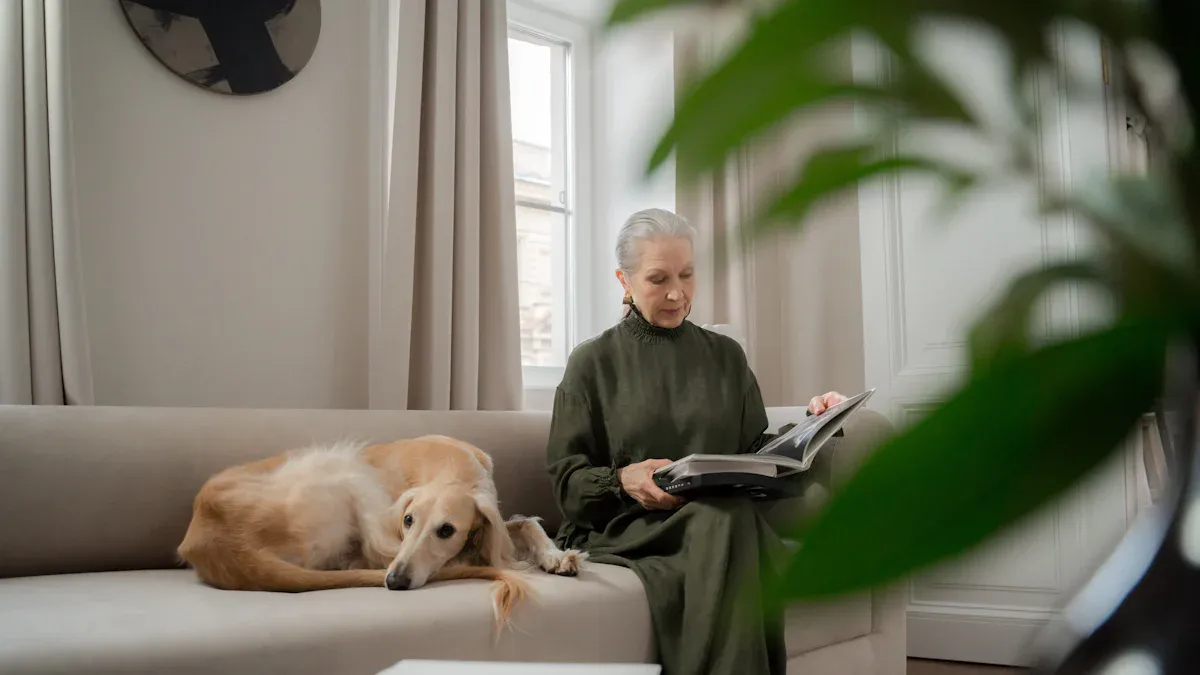
You can change living spaces to help your dog move safely. Keep walkways clear so your dog does not trip. Put rugs or carpet in main rooms for better grip. Move furniture to make wide, straight paths for your dog. Make sure chairs and sofas do not slide when your dog climbs. Pet steps or ramps help your dog reach favorite spots without jumping. Add cushions to furniture for more comfort.
Home modifications for safe movement:
Use ramps for furniture and beds
Make pathways wider and keep them clear
Add soft, non-slip surfaces in living areas
Use good lighting so your dog can see well
Stairs and ramp plans
Stairs can be dangerous for dogs with hip dysplasia. Block off stairs if your dog has trouble or seems scared. Put ramps with gentle slopes for safer movement between floors. Move things like beds and bowls to one floor if you can. Studies show ramps and simple changes help prevent new injuries and help dogs move on their own. Always watch your dog on stairs and use a harness for support.
🚩 Red Flag: If your dog stops using stairs, has bad pain, or cannot stand, call your veterinarian right away.
Checklists and comparison tables
Daily mobility check
You can use a daily checklist to track your dog’s comfort and movement. This helps you spot changes early and adjust your care plan. Start by watching your dog’s willingness to walk, stand, and use stairs. Check for slips, limping, or hesitation. Feel your dog’s skin under harnesses for heat, rubbing, or damp fur. Weigh your dog every few weeks to track progress. Schedule regular vet check-ups to review your plan.
Component | Description |
|---|---|
Weight Management | Keep your dog at a healthy weight to lower hip stress. |
Controlled Exercise | Use swimming or short lead walks (15–20 min, 2–3 times daily). |
Joint Supplements | Give vet-recommended supplements for joint support. |
Traction | Use socks, runners, or paw grips to prevent slips. |
Skin Check | Look for redness, hair loss, or dampness under gear. |
Willingness | Notice if your dog avoids walks, stairs, or play. |
Tip: Swimming helps your dog build muscle without stressing the joints.
Gear comparison table
You can match gear to your dog’s needs for safer movement. Use this table to pick the best option and know when to call your vet.
Situation | Best gear option | Fit/usage check | Stop-and-call-the-vet trigger |
|---|---|---|---|
Slipping on floors | Traction socks, paw grips | No twisting, stays on | Sudden refusal to walk or stand |
Trouble standing up | Rear lift harness, hip wrap | No pinching, supports hips evenly | New severe pain or collapse |
Stairs are scary | Full-body harness + ramp | Both ends supported, no dragging | Falls, yelps, or sudden weakness |
Long walks cause fatigue | Rear support harness | Snug fit, no sagging | Dragging paws, new limping, or wobbling |
Troubleshooting table
If you see problems, use this table to adjust your plan or seek help.
Problem | What to check | Quick fix | Red flag (call vet) |
|---|---|---|---|
Harness rubs skin | Fit, strap placement | Adjust or refit harness | Open sores, swelling, or severe redness |
Dog slips indoors | Traction aids, floor surfaces | Add runners, try socks or paw grips | Refuses to walk, sudden pain |
Hesitates on stairs | Harness support, ramp angle | Use ramp, block stairs if needed | Refuses stairs, cries out, or falls |
Limping after walks | Walk duration, surface, gear | Shorten walks, check gear fit | Non-weight-bearing, severe lameness |
Mini-calculation example:
If your dog weighs 50 lbs, a 6.1% weight loss goal means losing about 3 lbs (50 x 0.061 = 3.05 lbs). This small change can improve movement and comfort.
Always start with traction and safe handling. Add gear as needed. Call your veterinarian if you see sudden pain, new weakness, or rapid decline.
When conservative management isn’t enough
Red-flag signs for vet call
Watch your dog for signs that hip dysplasia is getting worse. Some symptoms mean you should call your veterinarian right away. These signs show that conservative management may not be enough:
Limping all the time or trouble walking
Walking strangely or using one leg more
Not putting weight on the sore leg
Hip pain that does not go away
Playing less or not wanting to move
Stiff hips after resting
Pain when you touch or move the hip
Hip cannot move as much as before
Losing muscle in the sore leg
Limping that does not get better
Joints feel loose when checked by your vet
Life is not as good because of hip problems
🚩 Alert: If your dog cannot put weight on a leg, has very bad pain, or gets worse quickly, call your vet right away.
Unsafe gear or worsening gait
Bad gear or changes in how your dog moves can mean bigger problems. Look for these issues:
Hard time standing up
Suddenly not wanting to play or exercise
Lying in strange ways to feel better
Leaning or swaying to one side
Bunny-hopping or standing unevenly
If you see these changes, stop using the gear and call your vet. Safe handling and rehab are important, but worse symptoms need expert help.
Discussing next steps with your vet
If conservative care does not help, talk to your veterinarian about surgery. Your vet will suggest options based on your dog’s age, health, and how bad the hip dysplasia is. Here is a table of common surgeries for dogs with hip dysplasia:
Surgical Procedure | Description |
|---|---|
Juvenile Pelvic Symphysiodesis (JPS) | Surgery for young dogs to help joints grow better |
Triple Pelvic Osteotomy (TPO) | Changes the pelvis to make the joint more stable |
Total Hip Replacement (THR) | Puts in a new hip joint |
Femoral Head/Neck Ostectomy (FHO/FHNO) | Removes part of the bone to stop pain |
Ask your vet about the risks, benefits, and recovery for each surgery. Your vet will help you choose the best way to keep your dog comfortable and moving well.
You can help your dog each day by using simple steps. Ramps and harnesses make moving easier for your dog. Safe home setups keep your dog from slipping or falling. Checklists and tables show you what to do for daily care. Always ask your veterinarian for advice and support.
FAQ
What is the first step to help my dog with hip dysplasia at home?
You should start by improving traction. Use runners, paw grips, or traction socks. This helps your dog move safely and prevents slips.
How do I choose the right harness for my dog?
Pick a harness that supports your dog’s hips and chest. Make sure it fits snugly. Ask your veterinarian for help if your dog has complex needs.
When should I call my veterinarian during conservative management?
Call your vet if your dog cannot bear weight, shows severe pain, or has sudden weakness. These are red flags that need urgent evaluation.