
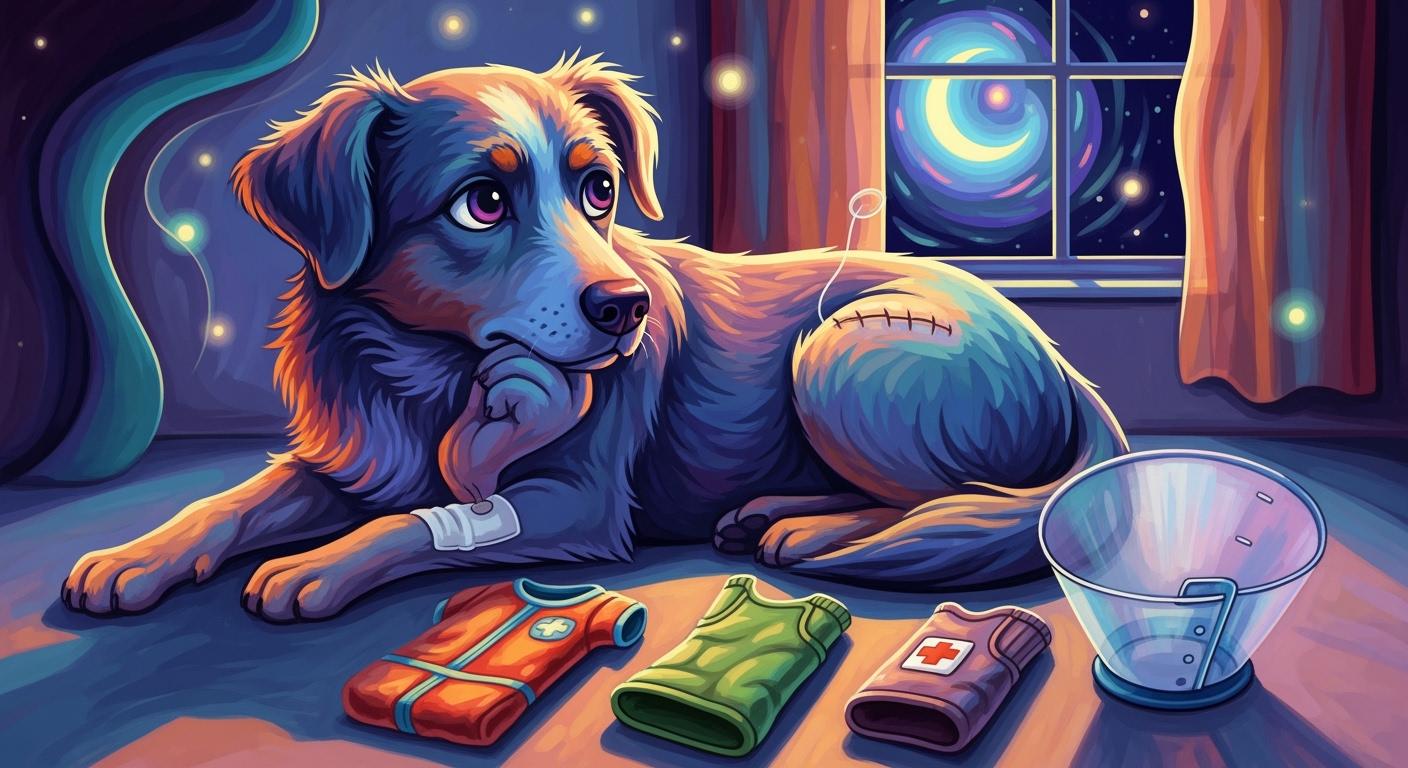
To prevent your dog licking stitches at night, it’s essential to keep protective gear on while you sleep to safeguard healing and reduce the risk of infection. Choose from recovery suits, anti-lick sleeves, or soft cones as your primary options. Make sure the protection stays on overnight, and inspect the incision at least two times per day for 14 days. If your dog is still able to reach the stitches, your current gear isn’t effective and needs to be upgraded.
Key Takeaways
Always put on protective gear like recovery suits, sleeves, or cones to stop your dog from licking stitches at night. This helps the wound heal well and lowers the chance of infection.
Do a Reach Test before bed to see if your dog can get to the stitches. If your dog can reach them, switch to a better protective option right away.
Check your dog’s incision two times each day for healing or infection signs. If you see any changes that worry you, call your vet right away.
Why dog licking stitches at night is risky
Normal curiosity vs risky licking
Dogs may sniff or lick their incision after surgery. This is normal curiosity. But dog licking stitches at night is dangerous. Dogs want to clean or comfort the area. Their mouths have germs. Even a short lick can hurt the stitches or cause infection. If your dog can reach the stitches, your gear is not working. Keep protection on while you sleep.
How licking can harm healing
Dog licking stitches at night can slow down healing. It can also cause big problems. Dog saliva has proteins that might help wounds. But germs in the mouth make infection more likely. Bacteria can get into the incision and cause swelling or pus. Studies show licking can open the wound or pull out stitches. Always do what your surgeon says if their advice is different.
Tip: Look at the incision two times each day for 14 days. If you see bleeding, bad smell, or pus, call your vet right away.
Risk Type | Description | Recommendation |
|---|---|---|
Infection | Licking can open the wound or cause infection. | Always use the cone (e-collar) your vet gives. |
Stitches Removal | Licking can pull out the stitches. | Call your vet if your dog reaches the area. |
Chewing | Dogs may try to clean the surgery site by licking. | Use an Elizabethan collar or recovery suit. |
Damage to Surgery Site | Chewing for a few seconds can remove stitches. | Keep the collar on all the time. |
Mistakes to avoid at bedtime
Do not take off protective gear at night. Dog licking stitches at night often happens when you are asleep. You cannot stop it then. Do not use creams or sprays alone. They do not stop strong licking. Make sure the barrier passes the Reach Test before bed. If your dog can reach the stitches, switch to a suit, sleeve, or e-collar. Keep protection on while you sleep. Follow your surgeon’s advice for the best results.
Quick safety check before you stop dogs from licking
Incision inspection: what’s normal
Check your dog’s incision at least two times per day. Look for signs that healing is on track. A healthy incision often shows:
Slight redness or pink color around the stitches, like a healing scratch
Minor swelling along the suture line
Small amounts of clear or slightly reddish fluid for the first couple of days
These signs mean your dog’s body is healing. If you see only these changes, keep using your chosen gear. Protection stays on while you sleep.
Red flags: when to call your vet
Some changes mean you need to call your vet right away. Watch for:
Dark pink or red skin around the incision
Warm, swollen, or painful area
Any discharge: bloody, milky, yellow, or green
Stiffness or reluctance to move
Sudden loss of appetite, vomiting, or diarrhea
Openings, missing, or damaged stitches
Call your vet now if:
The incision opens up or you see tissue inside
Bleeding does not stop after 10 minutes of gentle pressure
Pus or foul-smelling fluid drains from the wound
Your dog acts very sick or weak
If your dog can reach the stitches, your gear choice is not working. Upgrade protection and follow your surgeon’s instructions if they differ from general guidance.
Why creams and sprays may not help
Some pet owners try sprays or creams to stop licking. These products use bitter flavors or scents. Some dogs avoid them, but many ignore the taste and keep licking. Gear that blocks access works better for most dogs. Always use a barrier that passes the Reach Test. Protection stays on while you sleep.
Decision guide: keep dogs from licking stitches
You want to keep dogs from licking stitches at night. You need a step-by-step plan that matches gear to your dog’s wound and checks if protection works. Follow these steps to prevent dogs from licking and support safe healing.
Nighttime Reach Test: does gear work?
Start with the Reach Test before bedtime. Put the chosen gear on your dog. Watch your dog try to reach the incision with their mouth or paws. If your dog cannot reach the stitches, the gear passes the test. If your dog can reach the stitches, your gear choice is not working. Upgrade protection right away. Protection stays on while you sleep.
Tip: Always do the Reach Test after gear changes or washing. Dogs may find new ways to stop licking if the gear shifts or loosens.
Upgrade options if protection fails
If your dog can reach the wound, you must act fast. Choose stronger protective devices. You can combine gear for better wound protection. Here are common upgrade options:
Upgrade Option | Description |
|---|---|
Cone of Fame | A traditional plastic collar that blocks licking, chewing, or scratching at the incision. |
Comfy Cone | A padded collar that offers comfort and prevents access to the wound. |
Lick Sleeve | A wrap for the leg that stops licking or biting at stitches or wounds. |
Bodysuits | Full-body coverage for chest or belly wounds, allowing movement while shielding the area. |
If your dog still reaches the stitches, add an e-collar or ask your vet for advice. Protection must stay on while you sleep.
Decision table: match gear to wound location
Pick the right protection for the incision location. Use this table to match gear to your dog’s wound:
Wound Location | Best First-Choice Gear | Backup Gear | Common Failure Point | What to Do Next |
|---|---|---|---|---|
Belly/Chest/Back | E-collar | Dog reaches with mouth/paw | Add e-collar or consult vet | |
Legs/Paws/Tail | E-collar | Suit + sleeve/cover | Suit slips, dog chews area | Use e-collar, check fit daily |
Ears/Face/Head | E-collar | Soft cone/inflatable | Collar too short, dog reaches | Adjust collar, ask vet for advice |
Note: If your dog can reach the stitches, your gear choice is not working. Upgrade protection immediately.
Worked Example: Belly vs Rear Paw Incision
Suppose your dog has stitches on the belly. You choose a special recovery suit. You do the Reach Test. Your dog cannot reach the wound. The suit passes the test. You keep the suit on overnight.
Now, imagine stitches on the rear paw. You try a boot or sleeve. Your dog chews the cover and reaches the stitches. The gear fails the Reach Test. You switch to an e-collar. Your dog cannot reach the paw. The e-collar passes the test. You keep the collar on while you sleep.
What gear works best for wound protection?
You have many choices to stop licking. Clinical research shows these protective devices help prevent wound licking:
Soft cone (Elizabethan collar): Comfortable and blocks access to most wounds.
Inflatable pet collar: Good for comfort, but may not work for all wound locations.
Dog clothing: T-shirts or pet clothes cover chest or belly wounds.
Special recovery suits: Designed for full coverage and movement.
Booties or socks: Help stop dogs from licking feet wounds.
Wound dressings: Applied by your vet for extra protection.
Always match gear to the wound location. Do the Reach Test every night. If your dog can reach the stitches, upgrade protection. Stop dogs from licking by keeping barriers on 24/7 during the healing window. Follow your surgeon’s instructions if they differ from general guidance.
Gear options to stop dogs from licking stitches
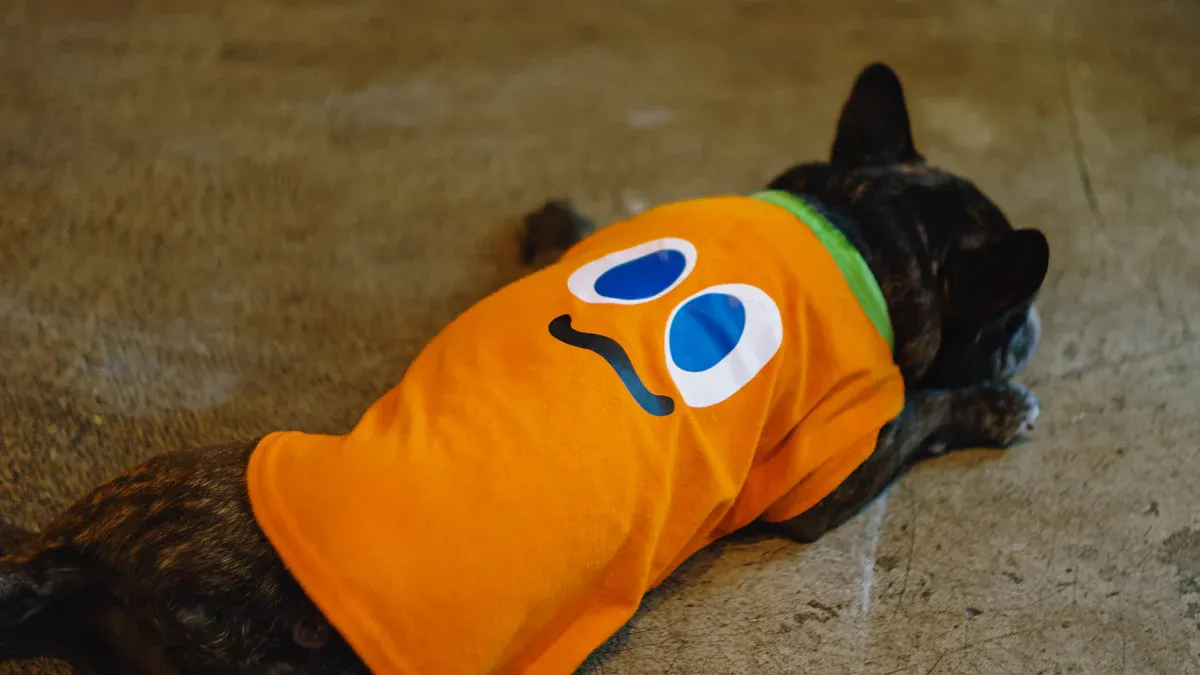
Recovery suits: pros and cons
Recovery suits give full coverage for belly, chest, or back incisions. You can use them for comfort and movement. These suits use soft, breathable fabric and allow potty breaks. You can wash and reuse them. Some dogs may reach stitches if the suit shifts, so check the fit often. Suits work best for abdominal wounds. If your dog can reach the stitches, your gear choice is not working. Protection stays on while you sleep.
Advantages | Drawbacks |
|---|---|
Full coverage of surgical site | Not suitable for non-abdominal surgeries |
Breathable, soft materials | May need sizing adjustments |
Allows normal movement and potty | Limited use beyond a few weeks |
Machine washable and reusable | Suit may shift, dog may reach incision |
Sleeves and boots: when to use
Sleeves protect stitches on the front or back legs. Boots work well for paw injuries. You need a snug fit so the gear does not slip off. These options keep wounds clean and block licking. Always check the gear before bed. If your dog can reach the stitches, upgrade protection. Protection stays on while you sleep.
Sleeves cover leg incisions.
Boots shield paw wounds.
Fit matters for full coverage.
Cones and collars: effectiveness at night
Cones and collars block your dog from licking, chewing, or scratching wounds. You should use them at night and when you leave your dog alone. Many veterinarians recommend Elizabethan collars for reliable protection. A cone creates a barrier and lowers infection risk. If your dog can reach the stitches, your gear choice is not working. Protection stays on while you sleep.
“We’ve been using the cone for the past 3 nights. So far so good. We all get a good night’s sleep. And his leg heals faster.”
Comparison table: suit vs sleeve vs cone vs inflatable collar
Gear Option | Coverage Area | Best For | Night Effectiveness | Comfort Level | Common Failure Mode |
|---|---|---|---|---|---|
Recovery Suit | Belly, chest, back | Abdominal incisions | High (if fit is good) | High | Suit shifts, dog reaches wound |
Sleeve/Boot | Legs, paws | Limb/paw incisions | Moderate | Moderate | Gear slips, incomplete cover |
Cone/E-collar | Most body areas | Any location | Very High | Moderate/Low | Collar too short, poor fit |
Inflatable Collar | Neck, upper body | Upper body wounds | Moderate | High | Dog reaches lower body wounds |
If your dog can reach the stitches, your gear choice is not working. Protection stays on while you sleep. Always follow your surgeon’s instructions if they differ from general guidance.
Comfort and compliance for overnight protection
Fit rules for cones and suits
Getting the right fit for your dog’s protective gear helps healing and keeps your dog comfortable overnight. Follow these steps:
Choose gear based on the wound location. Use recovery suits for belly or chest, sleeves for legs, and cones for most other areas.
Watch your dog’s behavior. Pick sturdy gear for active dogs and softer options for anxious pets.
Make sure your dog can eat, drink, and sleep with the gear on. Soft E-collars or well-fitted suits work well for most dogs.
Ask your veterinarian for advice if you are unsure about sizing or type.
Check how your dog adjusts to the gear. Try a different option if your dog struggles.
Always put safety and healing first. If your dog can reach the stitches, your gear choice is not working. Protection stays on while you sleep.
Tip: For cones, the collar should extend about two inches past the nose and fit snugly—allow two fingers between the collar and neck.
Chafing hotspots to check
Protect your dog’s skin by checking for rubbing or irritation at common hotspots:
Armpits
Rib cage
Abdomen
Neck
Back
Face
Look for redness, hair loss, or sores during your twice-daily inspection. Adjust or change gear if you see any problems.
Calmer nights: sleep setup and routine
A calm sleep environment helps your dog rest and heal. Set up a safe, quiet sleep zone with a non-slip mat. Use a crate or small room to limit movement. Remove regular collars at night to reduce neck pressure and improve comfort. Stick to a bedtime routine so your dog feels secure. If your dog can reach the stitches, your gear choice is not working. Protection stays on while you sleep. Always follow your surgeon’s instructions if they differ from general guidance.
Night routine: keep your dog from licking stitches

Pre-bed gear and incision check
Start your night routine with a gear check. Make sure your dog wears the right barrier. Use a recovery suit, anti-lick sleeve, or e-collar. Do the Reach Test. Watch your dog try to reach the stitches. If your dog can reach the stitches, your gear choice is not working. Upgrade protection before bed. Inspect the incision for redness, swelling, or discharge. Check for skin rubbing at the neck, armpits, and groin. Protection stays on while you sleep.
Controlled potty breaks
Keep potty breaks short and safe. Always use a leash, even in fenced yards. Limit walks to bathroom trips only. Do not allow running, jumping, or play. Avoid visits from other pets or children. Watch for sudden movements like shaking or rolling. Use a support harness or sling if your dog feels weak. If your dog gets excited, use calming tools. Stay alert during each trip.
Short leash walks only
No play or running
Leash on at all times
Support harness for weak dogs
Avoid distractions
Morning reassessment
Check your dog’s gear and incision first thing in the morning. Look for signs of licking, chewing, or gear shifting. Inspect the wound for redness, swelling, or discharge. Repeat the Reach Test. If your dog can reach the stitches, your gear choice is not working. Protection stays on until your vet clears the incision.
Printable nightly checklist
📝 Nightly Checklist for Stitch Protection
Barrier on (suit, sleeve, cone, or combo)
Reach Test: dog cannot access stitches
Traction mat from bed to potty area
Support harness ready for potty breaks
Skin rub check at neck, armpits, groin
Incision check for redness, swelling, discharge
Protection stays on while you sleep
Follow your surgeon’s instructions if they differ from general guidance.
FAQs about dog licking stitches at night
Can I use a suit instead of a cone?
You can use a recovery suit as an alternative to a cone for many dogs. Suits work best for incisions on the neck, chest, back, or abdomen. They cover a large area and help reduce stress compared to cones. Many dogs feel more comfortable and move easily in suits. However, suits may not block access to stitches on the face, legs, or tail. Always do the Reach Test before bed. If your dog can reach the stitches, your gear choice is not working. Protection stays on while you sleep.
Recovery suits protect surgical sites on the body.
They offer comfort and reduce anxiety.
Suits may not work for wounds on the face, legs, or tail.
What if my dog licks the suit?
If your dog starts licking their wounds through the suit, check the fit and coverage. Some dogs can push the suit aside or lick through gaps. You may need to add an e-collar or use anti-lick strips for extra protection. Always inspect the suit for damage or shifting. If your dog keeps licking its wound, upgrade your gear. Protection stays on while you sleep. Follow your surgeon’s instructions if they differ from general guidance.
Tip: If licking their wounds continues, combine gear for better coverage.
How long to keep protection on?
Keep protective gear on for at least 14 days or until your vet clears the incision. Inspect the wound two times per day. Remove gear only for cleaning or as directed by your vet. If your dog can reach the stitches, your gear choice is not working. Protection stays on while you sleep.
What if stitches are on a leg or paw?
For stitches on a leg or paw, use a sleeve or boot designed for dogs. The Lick Sleeve gives targeted protection, comfort, and mobility. Always check that the sleeve or boot fits snugly and covers the wound. If your dog keeps licking their wounds or removes the gear, add an e-collar. Anti-lick strips can help, but gear-based barriers work best. Protection stays on while you sleep.
Wound Location | Best Gear | Backup Option |
|---|---|---|
Leg/Paw | Sleeve or Boot | E-collar, strips |
If your dog can reach the stitches, your gear choice is not working. Follow your surgeon’s instructions if they differ from general guidance.
You can stop your dog from licking stitches at night by using gear that blocks access. Check the fit and do the Reach Test before bed. Inspect the incision twice daily. If your dog can reach the stitches, your gear choice is not working. Protection stays on while you sleep. Call your vet for any red flags.
