
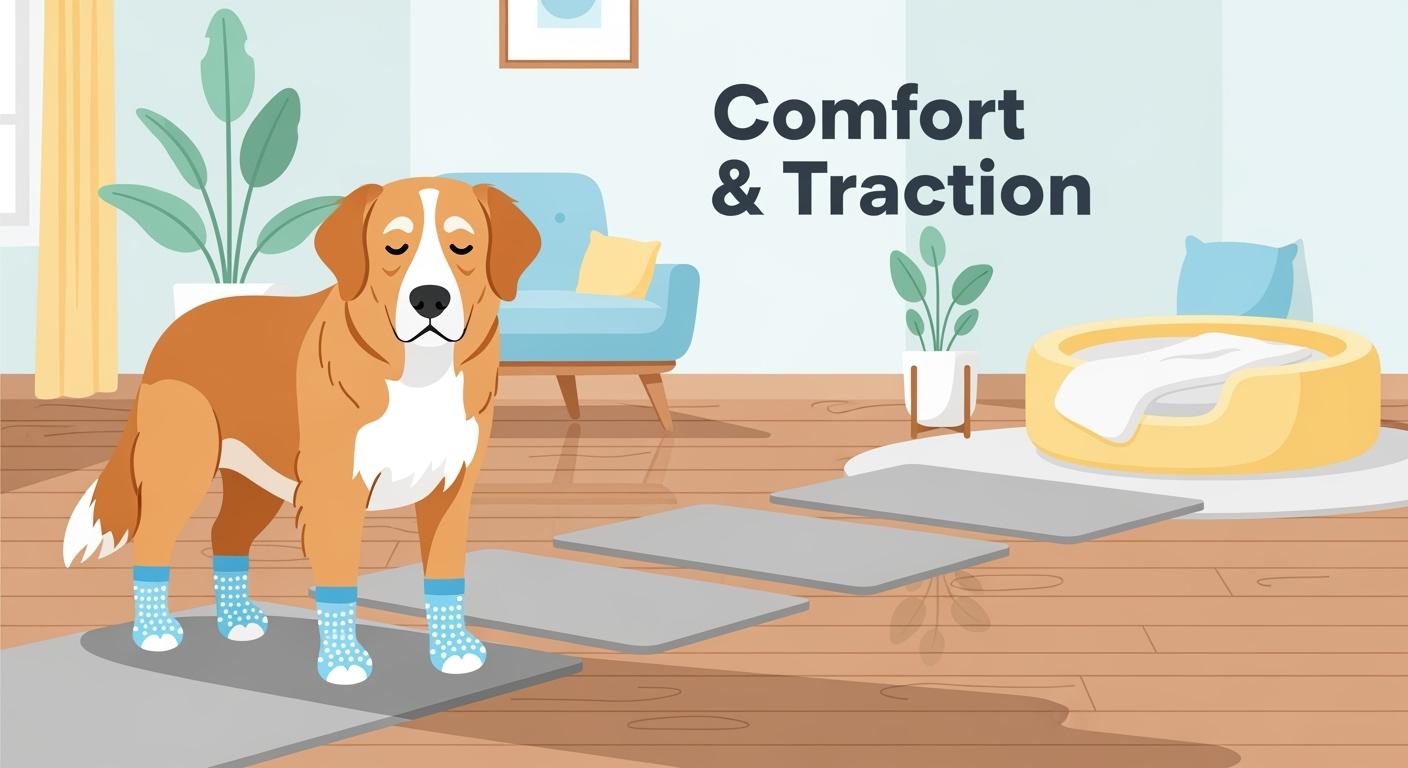
You see your senior dog slipping on hardwood floors and worry about their safety. Older dogs often lose traction, which can lead to falls and less activity. Good traction supports mobility and helps prevent slipping. Traction socks and runners give your dog better grip. These changes improve comfort and daily movement.
Key Takeaways
Use traction socks or runners to improve your senior dog’s grip on slippery floors. This helps prevent falls and boosts their confidence.
Regularly trim your dog’s nails and fur between their paw pads. This enhances their grip and reduces the risk of slipping.
Create safe walking paths at home by placing non-slip mats in high-risk areas. Clear clutter and ensure good lighting to help your dog move safely.
Why senior dogs slip on hardwood floors
Traction loss, pain, or weakness?
Older dogs slip on hardwood floors more as they get older. This can happen for many reasons. Many senior dogs have joint problems like osteoarthritis. About 20–37% of older dogs get this. Osteoarthritis causes pain and weak muscles. It also makes it harder for dogs to control their movement. Weak muscles and sore joints make gripping smooth floors tough. Some dogs lose vision or can’t feel where their paws land. These changes make slipping and falling more likely.
Common physical causes include:
Joint disease (like osteoarthritis)
Sensory loss (vision or touch)
You might notice different ways your dog slips:
Start-up slip: Back legs slide when getting up.
Turn slip: Paws slide out when turning.
Splayed legs: Legs spread out fast.
Hesitation: Dog stops or seems unsure before moving.
Confidence after a slip
Slipping can make your dog scared. After falling, your dog may not want to walk or go into some rooms. You might see your dog slip, then not get up or look worried. Safe walking paths, traction socks, and gentle encouragement help your dog feel safe again.
Vet check clues for old dog slipping
Some signs mean you should call your vet right away:
Signs of Immediate Intervention for Senior Dogs |
|---|
Sudden or complete collapse of the back legs |
Signs of acute pain (yelping, whining) |
Paralysis or dragging of hind limbs |
Loss of bladder or bowel control |
Trembling, shaking, or uncontrollable twitching |
Lethargy, confusion, or unsteady behavior |
Worsening symptoms over just a few days |
If your dog cannot move, has bad pain, or loses balance fast, get help. Your vet’s advice is most important. Always put safety first.
Slip risk map: where old dogs slip most at home
Older dogs and those with injuries or balance issues can have trouble moving around the home, especially on slippery floors like tile or wood.
High-risk zones: food, water, hallways
You should pay close attention to where your dog spends the most time. Food and water stations often become slippery from spills. Hallways and entryways with smooth floors also create high-risk zones. Dogs may rush to greet you or move quickly to their bowls, which increases the chance of slipping. Place non-slip rugs or mats in these areas to help your dog stay steady.
Start-up and turn slips
Many senior dogs slip when they get up or turn around. These moments require extra traction. Dogs often lose grip on polished wood, laminate, or tile floors. You can use rubber-backed runners in hallways and near beds. Launch mats at favorite resting spots give your dog a safe place to start moving.
Clear clutter, define walking lanes
You can make your home safer by clearing clutter and creating clear walking lanes. Remove loose carpets and secure any rugs that slide. Good lighting, such as night lights, helps your dog see better, especially at night. Clear pathways without obstacles allow your dog to walk with confidence.
Printable Slip Risk Checklist
Check food and water areas for spills
Place non-slip mats in hallways and entryways
Add launch mats at beds and couches
Remove clutter from walking paths
Secure loose rugs
Install night lights in key areas
Your veterinarian’s plan overrides general tips. Always put your dog’s safety first.
Floor fixes for senior dog slipping on hardwood floors
You can make your home safer for your senior dog by improving the floors they walk on every day. Many dogs struggle with smooth surfaces, but you can reduce the risk of falls by creating a non-slip surface in key areas. Start with the places your dog uses most, like hallways, entryways, and spots near beds or couches.
Runner pathways and non-slip mats
You can build a traction lane by placing runner rugs and non-slip mats along your dog’s main walking route. Choose rubber-backed runners for hallways and entryways. These provide steady grip and help your dog move with confidence. Non-slip mats work well in high-traffic zones, such as near food and water bowls. You can also use yoga mats or carpet remnants to create safe zones.
Here is a quick comparison to help you decide:
Feature | Runner Pathways | Non-Slip Mats |
|---|---|---|
Traction | Provides good traction for walking | Offers grip to prevent slipping |
Installation | Quick DIY installation | Easy to set up in minutes |
Comfort | Can add comfort on hard surfaces | Protects floors and adds comfort |
Usage Areas | Suitable for hallways and entryways | Works well in high-traffic areas |
Maintenance | Requires regular cleaning | Easy to clean and maintain |
To build a traction lane, lay runners end-to-end along your dog’s favorite path. Anchor the edges with non-slip pads or adhesive strips to prevent bunching. Place non-slip mats at doorways or where your dog turns often. This setup gives your old dog slipping a clear, safe route through the house.
You can also try these floor modifications:
Add area rugs or runners with non-slip backing in high-traffic areas.
Use yoga mats or carpet remnants for extra grip.
Install anti-slip stair treads if your dog uses stairs.
Lay down interlocking foam mats or rubber tiles for more cushion and traction.
Add adhesive traction strips or anti-slip coatings to smooth flooring.
Rubber flooring, adhesive pads, and textured planks offer different benefits. See the table below for a quick guide:
Floor Type | Benefits | Concerns | Best For |
|---|---|---|---|
Rubber Flooring / Mats | Highest traction; shock-absorbing | Industrial look; can retain odor | Basements, garages, rehab zones |
Area Rugs with Non-Slip Pads | Fast, inexpensive; easy to reposition | Pads can bunch; check edges for trip risk | Temporary or rental spaces |
Luxury Vinyl Plank (LVP) | Soft underpaw; slip-resistant texture | Some options slick when wet; check rating | Multi-dog homes, all-around use |
Launch mats at beds and couches
Older dogs often slip when getting up from beds or couches. You can help by placing launch mats right where your dog stands up or jumps down. These mats give instant grip and reduce the chance of splaying legs. Dogs with arthritis or joint pain feel safer and less anxious when they have a secure spot to start moving.
You should use thick, non-slip mats or small rugs with rubber backing. Place them at the edge of your dog’s bed, favorite couch, or any spot where your dog rests. This simple change can restore your dog’s confidence and help them move more freely.
Tip: Launch mats also work well at the bottom of stairs or next to car ramps.
Cleaning mistakes that increase slipping
Keeping your floors clean helps prevent slips, but some cleaning methods can make things worse. Avoid wax-based or oil-enhanced floor cleaners, as these leave a slippery residue. Use a microfiber mop instead of a sponge head. This picks up dirt without leaving a film. You can add a floor grip treatment for extra safety.
Trim long paw fur and keep your dog’s nails short. This improves paw contact with the floor and boosts traction. Clean up spills right away, especially near food and water bowls.
Decision Table: Floor Fixes vs Paw Fixes vs Body Support
Solution Type | What It Does | When to Use | Examples |
|---|---|---|---|
Floor Fixes | Improves surface traction | Slippery floors, high-traffic areas | Runners, mats, rubber flooring |
Paw Fixes | Boosts paw grip | Weak nails, dry pads, gear-friendly dogs | Traction socks, booties, toe grips |
Body Support | Assists with balance and movement | Severe weakness, stairs, getting up or down | Harnesses, slings, ramps, steps |
Your veterinarian’s plan overrides general tips. Always check with your vet if you see new slipping or changes in your dog’s mobility.
Traction gear: socks, booties, toe grips
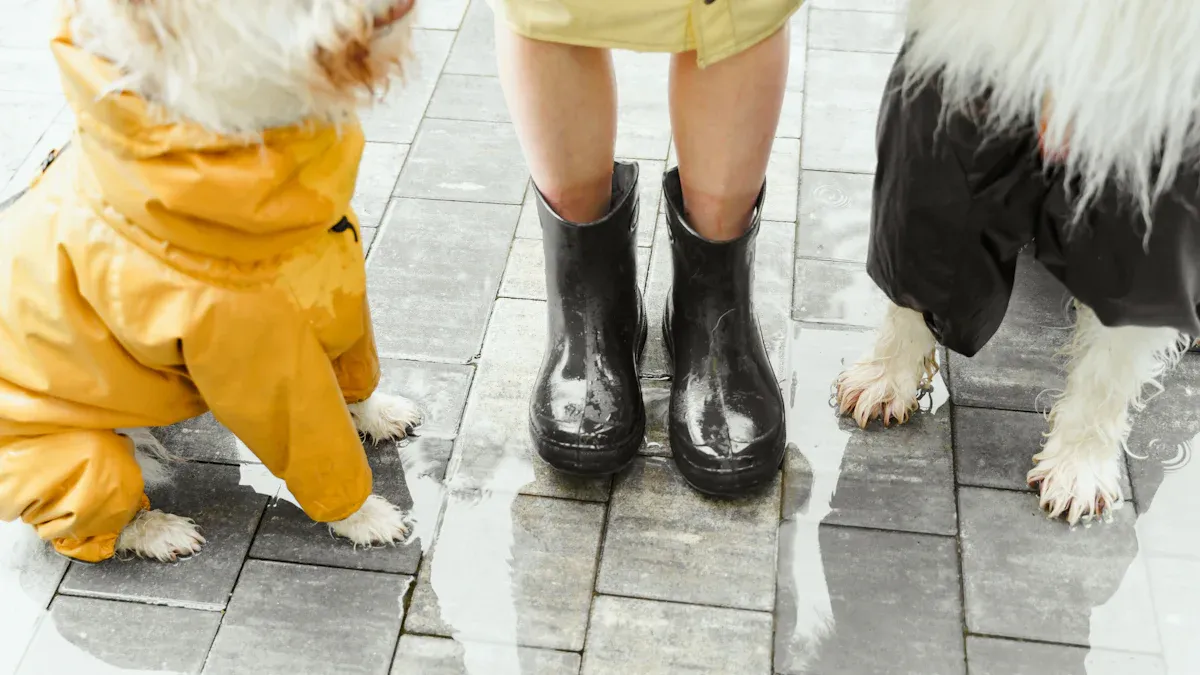
Choosing the right traction gear can help your senior dog move safely on hardwood floors. You have several options: traction socks, booties, and toe grips. Each type works best for different dogs and situations. You should always check the fit and comfort before letting your dog walk around. If it slips on the paw, it won’t protect the dog.
Traction socks for indoor grip
Traction socks give your dog better grip on smooth floors. These socks have rubber soles or silicone dots that help prevent slipping. You can use them in the house, especially in rooms with hardwood or tile. Many socks have adjustable straps to keep them in place. Soft, lightweight material keeps your dog comfortable.
You may notice your dog walking with more confidence after wearing traction socks. These socks work well for dogs who slip when getting up or turning. They are easy to put on and take off. Some dogs need time to get used to socks, so start with short sessions.
Tip: Always check the socks for signs of rubbing or slipping. If your dog seems uncomfortable, try a different size or style.
Booties for outdoor and weak nails
Booties protect your dog’s paws outside and help dogs with weak nails. Outdoor booties have waterproof material and non-slip soles. They keep paws dry and clean. Booties also add a layer of protection for dogs with cracked or sensitive nails.
You can use booties for walks, trips to the yard, or wet weather. Adjustable straps help keep booties secure. Look for soft, flexible soles that allow natural movement. Some booties have extra padding for comfort.
Dogs with weak nails or paw injuries may benefit most from booties. You should check the fit often. Loose booties can cause tripping, while tight ones may pinch. If your dog refuses to wear booties, try traction socks or toe grips instead.
Toe grips for dogs who hate socks
Some dogs do not like wearing socks or booties. Toe grips offer another solution. These small rubber rings fit onto your dog’s toenails. They give extra friction right where your dog needs it—on the nails. Toe grips let your dog use their natural gripping ability.
Toe grips do not cover the paw pads. Your dog can still feel the floor and move naturally. Many dogs accept toe grips better than socks or booties. You can use toe grips for dogs who slip on smooth floors but dislike other gear.
Toe grips work well for dogs with normal nail length and healthy paws. You should check the grips often to make sure they stay in place. If a grip slips off, replace it right away.
Note: Toe grips are not for dogs with very short or brittle nails.
Comparison table: socks vs booties vs toe grips
You can use this table to compare traction socks, booties, and toe grips. Consider your dog’s needs, paw health, and comfort.
Gear Type | Best For | Key Features | Fit & Nail Health Considerations | Effectiveness for Senior Dogs |
|---|---|---|---|---|
Traction Socks | Indoor hardwood grip | Rubber soles, adjustable straps | Check for secure fit; trim nails regularly | Reduces slipping on smooth floors |
Booties | Outdoor use, weak or sensitive nails | Waterproof, padded, non-slip soles | Choose correct size; avoid too tight or loose | Protects paws, adds outdoor traction |
Toe Grips | Sock-resistant dogs, natural movement | Rubber rings fit on toenails | Only for healthy nails; monitor for slippage | Enhances traction, keeps biomechanics |
When you choose traction gear, think about where your senior dog slipping on hardwood floors happens most. Try different options to see what your dog likes best. Always watch for signs of discomfort or gear that slips out of place.
Your veterinarian’s plan overrides general tips. If you see new slipping, limping, or changes in your dog’s movement, call your vet.
Grooming for better mobility and traction
Nail length and grip
You help your senior dog walk safely by keeping their nails short. Long nails change how your dog stands and walks. This can make slipping worse and put extra stress on joints. Short nails let your dog’s paw pads touch the floor, which improves grip and balance. You should check your dog’s nails every week. If you hear clicking on the floor, it is time for a trim.
Regular grooming becomes medical care disguised as beauty treatment. Senior dogs face unique challenges that younger pets don’t experience. Health monitoring happens naturally during grooming sessions. Groomers often notice changes that owners might miss, such as new lumps, joint stiffness, or overgrown nails affecting mobility.
Simple monthly trim routine
You can set a simple routine to keep your dog’s nails at a safe length. Most senior dogs need a trim at least once a month. That means about 12 nail trims per year. Some dogs need more frequent trims, especially if they do not walk much on hard surfaces. Active dogs may need trimming every 4–6 weeks. Less active or indoor dogs may need it every 2–3 weeks. Puppies and seniors should have their nails checked weekly.
Grooming for grip:
Trim nails at least once a month = about 12 trims per year
Check nail length weekly
Listen for clicking sounds on hard floors
Paw fur and pad care
You should also trim the fur between your dog’s paw pads. Long fur can cause slipping on smooth floors. Clean, trimmed pads help your dog grip the ground and move with confidence. The paw pads give your dog body awareness and balance. Covering them with socks or booties can sometimes reduce natural grip, so always check for comfort and fit. Products like toe grips and anti-slip paw grips can add extra traction if needed.
Your veterinarian’s plan overrides general tips. Always ask your vet if you notice new problems with your dog’s paws or walking.
Support gear: harnesses, slings, ramps, and steps
Support gear helps your senior dog move safely at home. You can use harnesses, slings, ramps, and steps to give your dog steady support and reduce the risk of falls. Always use these tools to support your dog’s weight—not to dangle or lift them off the ground.
Rear sling for short walks
A rear sling helps you support your dog’s back end during short walks or trips outside. You place the sling under your dog’s belly or hips and hold the handles to steady them. This tool works well for dogs with weak back legs or arthritis. Always keep your dog’s paws on the ground and move at their pace. Never pull or lift your dog by the sling alone.
Tip: Combine a rear sling with traction socks or booties for extra grip on slippery floors.
Full-body harness for balance
A full-body harness gives your dog support at both the front and back. You can use it to help your dog stand, walk, or climb stairs. Choose a harness with padded straps and sturdy handles. Avoid using collars for senior dogs. A harness lets you guide your dog gently and keeps them balanced. Always support both ends of your dog when lifting.
Support Gear | Description | Best For | Pro Tip |
|---|---|---|---|
Rear Sling | Supports back legs for short walks | Weak hind legs, arthritis | Use with traction socks for best results |
Full-Body Harness | Supports front and back, aids balance | All-over weakness, stairs | Choose padded, adjustable harnesses |
Ramps/Steps | Helps dogs reach beds, couches, or cars | Dogs who struggle with jumping | Add non-slip mats or runners for extra safety |
Ramps and steps for beds and cars
Ramps and steps help your dog reach beds, couches, or cars without jumping. These aids protect your dog’s joints and prevent slips. Place ramps or steps where your dog needs them most. Use non-slip mats or runners on ramps for better traction. Ramps and steps help your dog keep a normal routine and save energy, especially if they have arthritis.
Your veterinarian’s plan overrides general tips. Always check with your vet if you notice new mobility problems.
Daily mobility routine and troubleshooting
Green/Yellow/Red mobility day table
You can use colors to check your dog’s movement each day. This makes it easy to know when to change things or call your vet.
Color | What You See | What To Do |
|---|---|---|
🟢 Green | Dog walks steady, no slips, acts normal | Keep routine the same, watch daily |
🟡 Yellow | Dog slips sometimes, gets up slowly, seems unsure | Change gear, add mats, make walks shorter |
🔴 Red | Dog falls a lot, legs spread, won’t walk |
Your vet’s advice is always most important. Safety comes first every time.
Troubleshooting slips, splaying, gear refusal
Sometimes your dog slips, spreads their legs, or won’t wear gear. Use this table for quick help.
Problem | Likely Cause | Gear Fix | When to Call the Vet |
|---|---|---|---|
Slipping on floors | Not enough grip, long nails | Put on socks, trim nails, use mats | Call vet if slips get worse or hurt |
Splaying legs | Weak muscles, bad grip | Try harness, use launch mats | Call vet if dog can’t stand or walk |
Refuses gear | Bad fit, feels wrong | Change size, try new gear | Call vet if refusal is sudden or strong |
Quick Reference Card: daily safety checklist
Check nails and paw fur to see if they are too long
Put non-slip mats where your dog walks most
Use ramps or steps for beds and cars
Look for changes in how your dog walks or stands
Make walks short and easy
Change gear if you see rubbing or slipping
Gentle stretching and short walks help your dog stay flexible. Good footwear and safe home setups lower fall risks. Always make sure your routine fits your dog’s needs.
Training and encouragement for old dog slipping
Positive reinforcement for new gear
You can help your dog accept new traction socks, runners, or toe grips with positive reinforcement. Start by letting your dog sniff and explore the gear before putting it on. Give treats and praise for calm behavior. Put the gear on for short periods at first. Watch your dog’s body language for signs of stress or excitement. If your dog seems unsure, remove the gear and try again later. Use treats, gentle petting, or a favorite toy to create a positive experience.
Offer treats when your dog wears socks or stands on a new mat.
Use a happy voice and gentle encouragement.
Keep sessions short and fun.
Stop if your dog shows signs of discomfort.
Building confidence on slippery floors
You can build your dog’s confidence by making small changes and practicing daily. Place traction mats or runners in areas where your old dog slipping happens most. Guide your dog across these safe zones with treats or toys. Try simple exercises to improve balance and strength:
Practice lateral walking to strengthen muscles.
Encourage square sits and tuck sits for better posture.
Use textured mats or gentle bumps to stimulate your dog’s paws.
Add nosework games or sniffy walks to keep your dog engaged.
Always adjust the difficulty based on your dog’s comfort and mobility. Celebrate small wins to boost your dog’s confidence.
Tip: Progress slowly and let your dog set the pace.
When to consult your vet
You should call your veterinarian if your dog refuses to walk, shows pain, or if slipping gets worse. Sudden changes in movement or behavior need a vet check. Your veterinarian’s plan overrides general tips. Safety comes first for every senior dog.
You can help your senior dog slipping on hardwood floors in many ways. Make a map of risky spots in your home. Use traction gear to give your dog better grip. Groom your dog often to keep nails and paws healthy. Add support gear like harnesses or ramps if needed. Taking action early helps your dog move easier and feel better. Even small changes, like putting down a runner or launch mat, help a lot. Always talk to your veterinarian if problems keep happening.
Fit-check script:
Make sure traction socks or booties fit well
Put runner rugs where your dog walks most
Add a sling or harness if your dog needs more help
Use a ramp for places with steps or height
Suggested bundle: Traction socks or booties, runner rugs, sling or harness, and a ramp.
FAQ
How do I know if my senior dog needs traction socks or runners?
You should watch for slips, splayed legs, or hesitation on smooth floors. If you see these signs, traction gear can help. Your veterinarian’s plan overrides general tips.
Can my dog wear traction socks all day?
You can use traction socks during active times. Remove them at night or when your dog rests. Always check for rubbing or discomfort. Your veterinarian’s plan overrides general tips.
What if my dog refuses to wear traction gear?
Try short sessions with treats and praise. Switch to a different style if needed. If your dog still refuses, ask your veterinarian for advice.
